Mitsubishi Pajero
Complete Guide to Specs, Price, Fuel Consumption, Features & Reliability
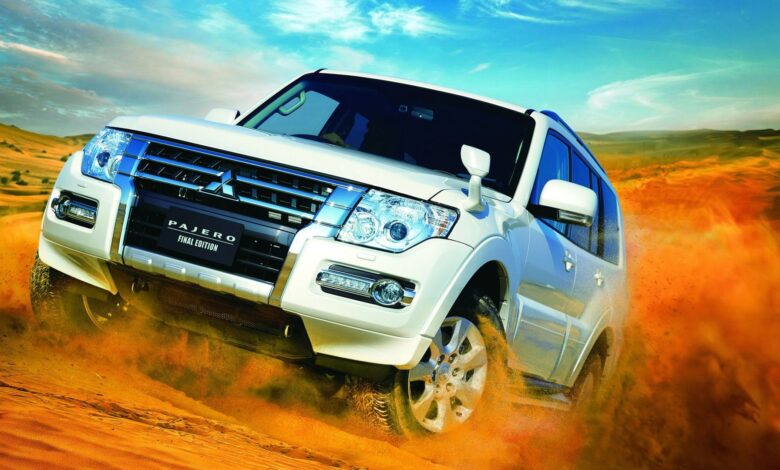
Mitsubishi Pajero: Complete Guide to Specs, Price, Fuel Consumption, Features & Reliability
The Mitsubishi Pajero is one of the most recognized names in the SUV world. For decades, it has been known for durability, strong off-road performance, and long-term reliability. Many drivers choose it because it offers real 4×4 capability instead of just SUV styling.
In this detailed guide, you will learn about Mitsubishi Pajero specs, engine options, fuel consumption, interior features, towing capacity, safety, reliability, ownership costs, and what to consider before buying a used Mitsubishi Pajero.
This article provides factual and practical information to help you understand whether this SUV is the right choice for your needs.
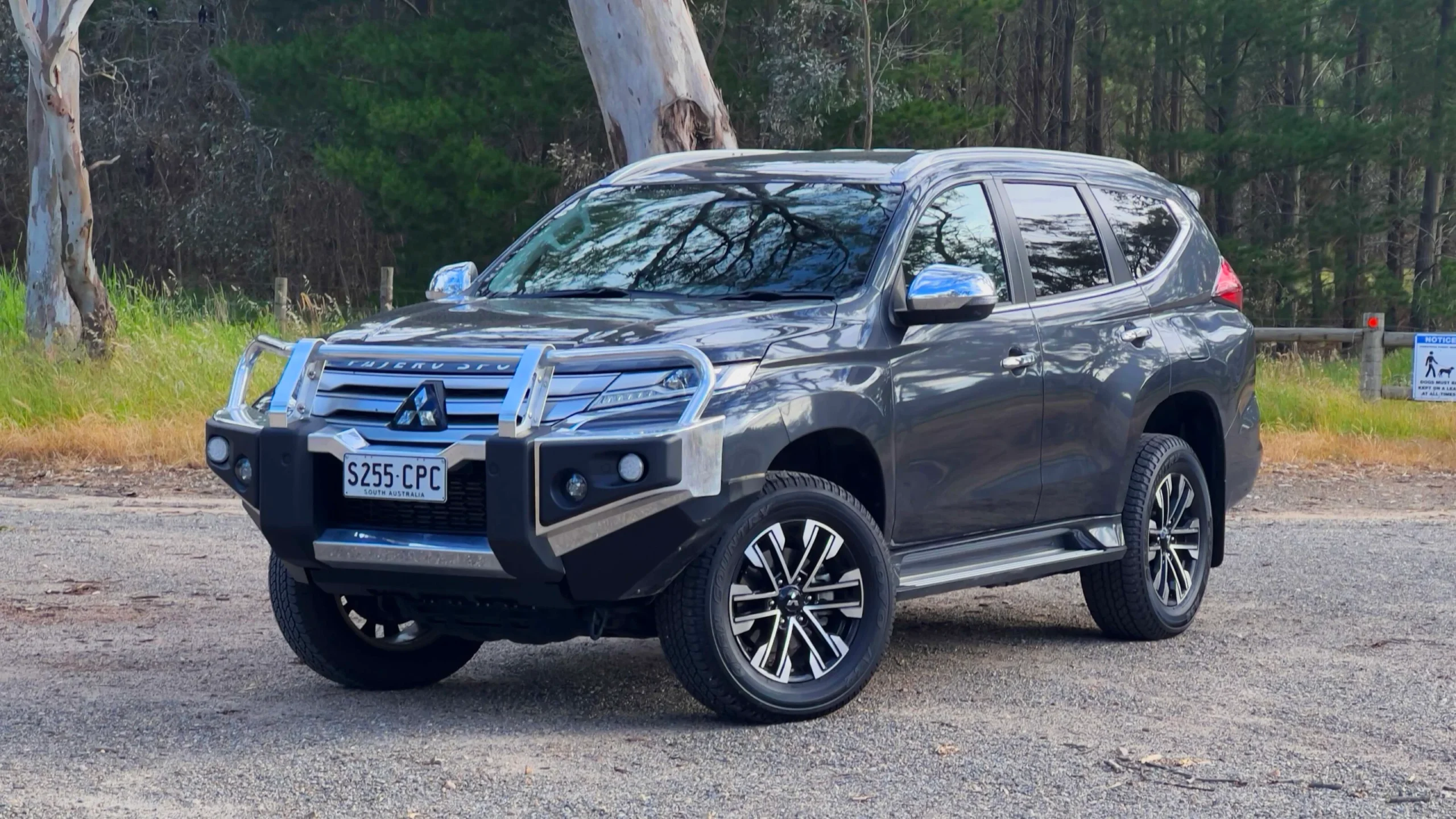
Overview of Mitsubishi Pajero
The Mitsubishi Pajero was introduced in 1982 by Mitsubishi Motors in Japan. It remained in production until 2021 in many global markets.
Over four generations, the model evolved from a basic off-road vehicle into a refined full-size SUV suitable for both families and adventure drivers.
The Mitsubishi Pajero gained international recognition after winning the Dakar Rally 12 times. This achievement remains one of the strongest motorsport records for any SUV model and helped establish its reputation for endurance and mechanical strength.
Depending on the region, it was also sold under different names such as Montero and Shogun.
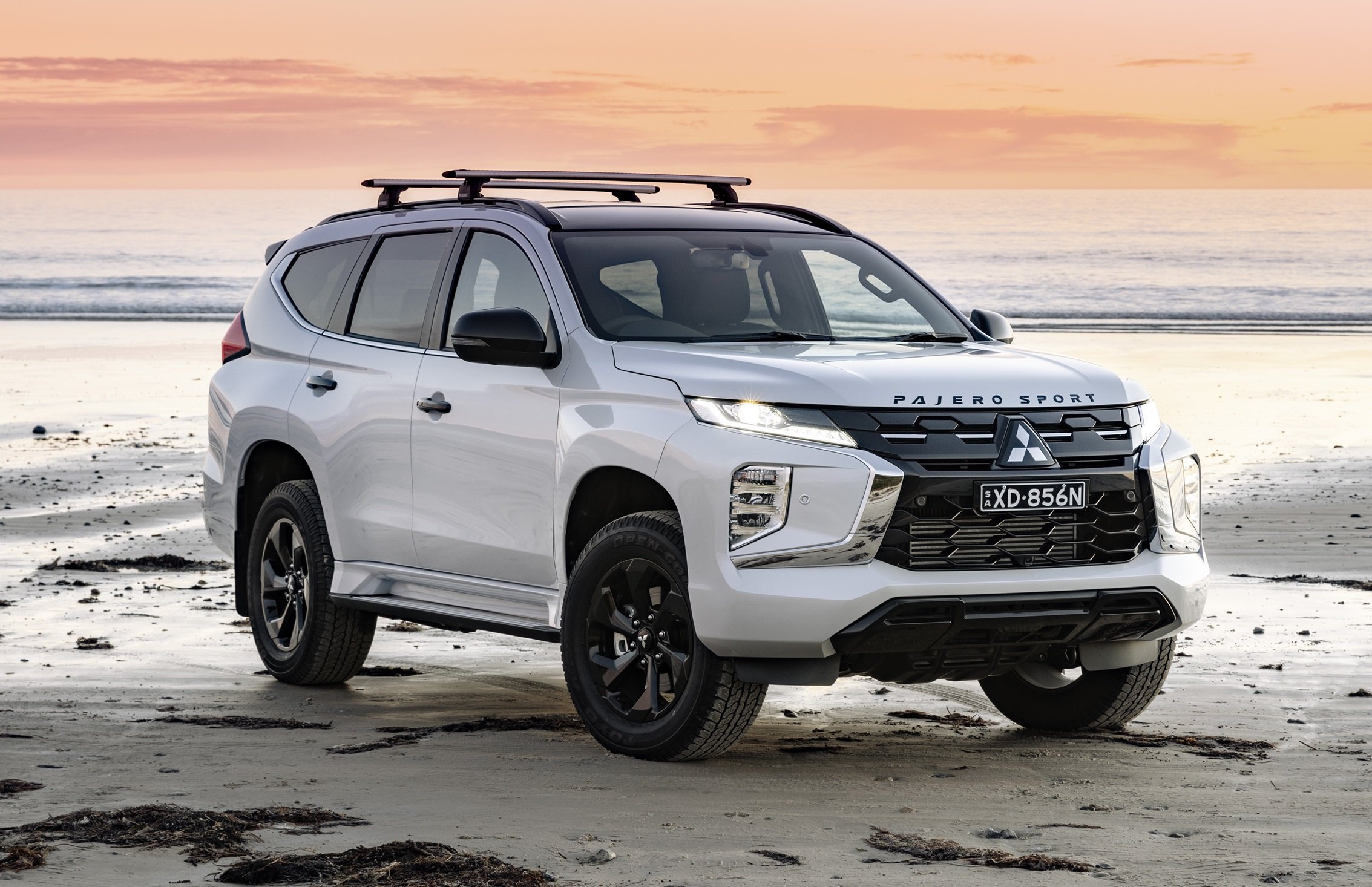


Mitsubishi Pajero Generations Explained
Understanding the generations helps buyers choose the right model.
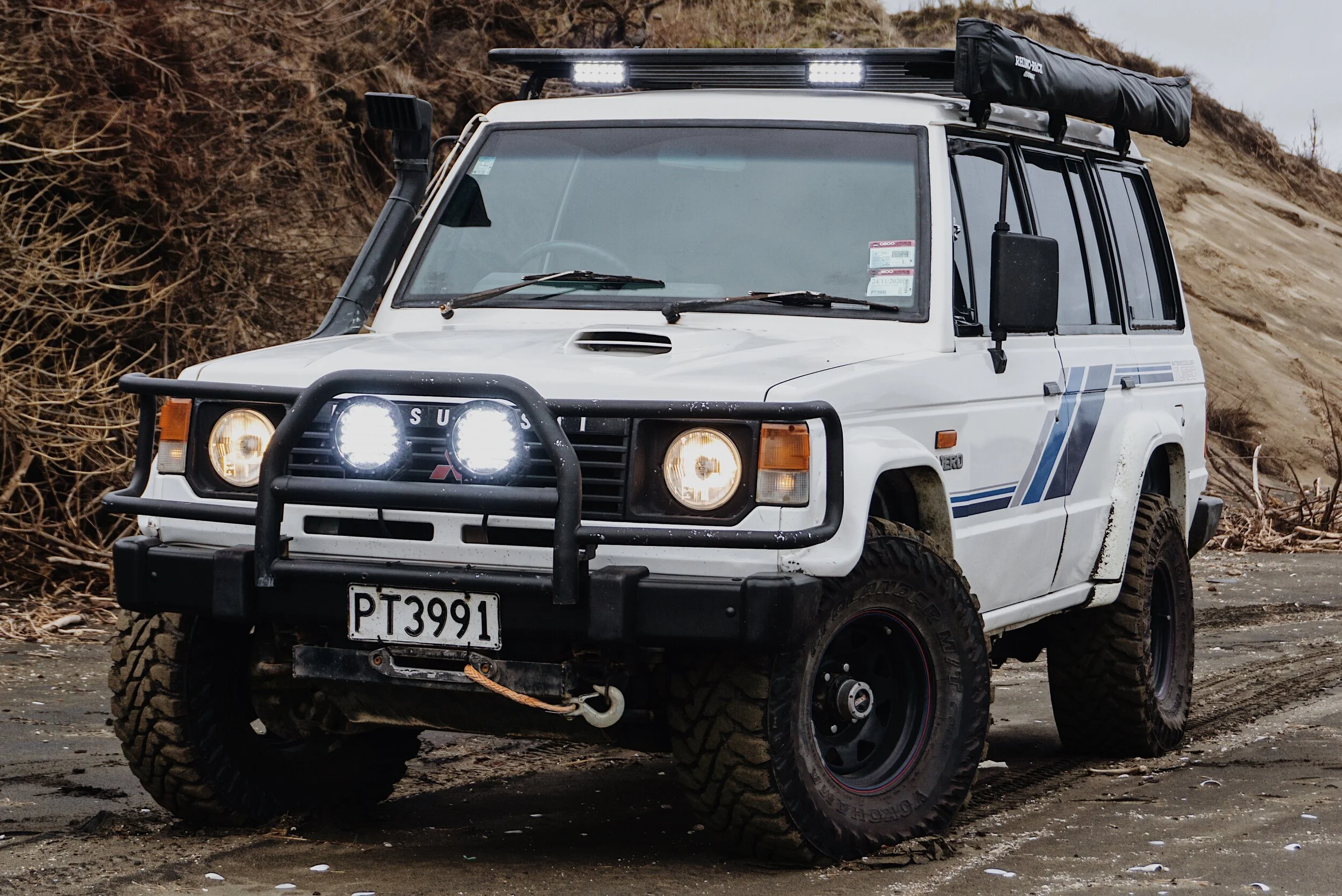
First Generation (1982–1991)
-
Traditional body-on-frame construction
-
Designed mainly for rugged off-road use
-
Simple interior and mechanical systems
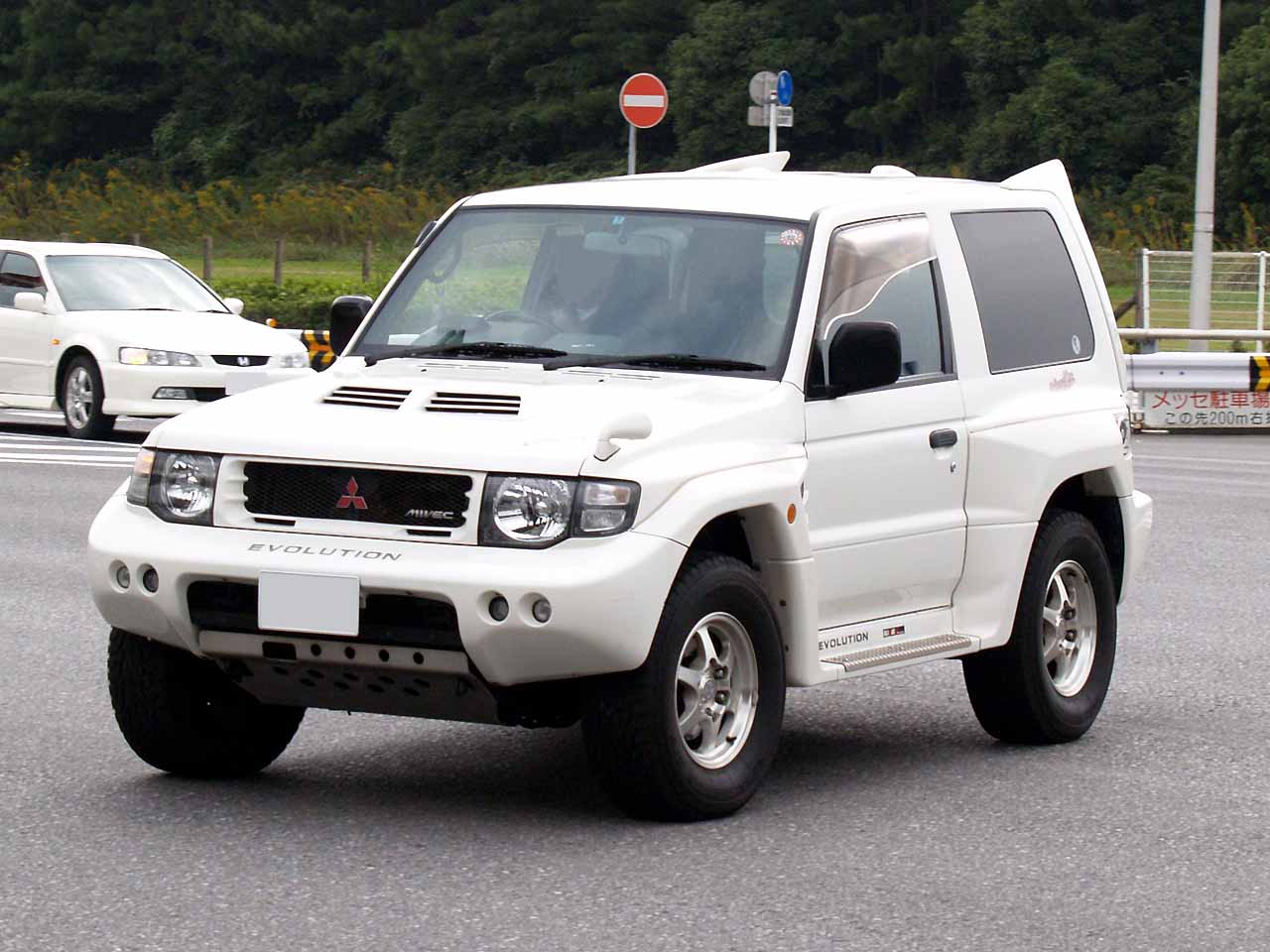
Second Generation (1991–1999)
-
Improved suspension system
-
Introduction of Super Select 4WD
-
Better comfort and interior design

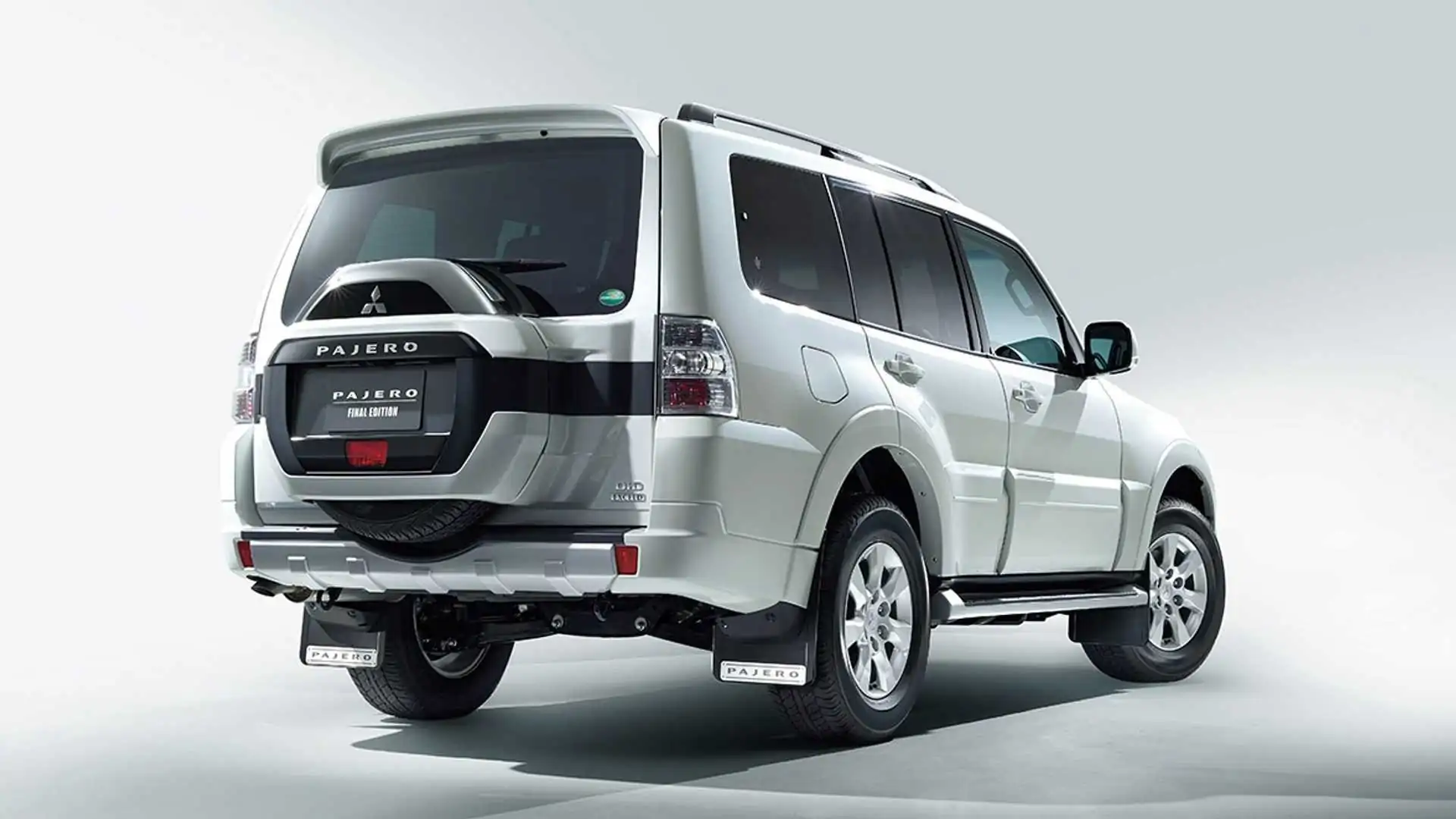
Third Generation (1999–2006)
-
Switched to monocoque body with integrated ladder frame
-
Independent suspension front and rear
-
Major improvement in road comfort
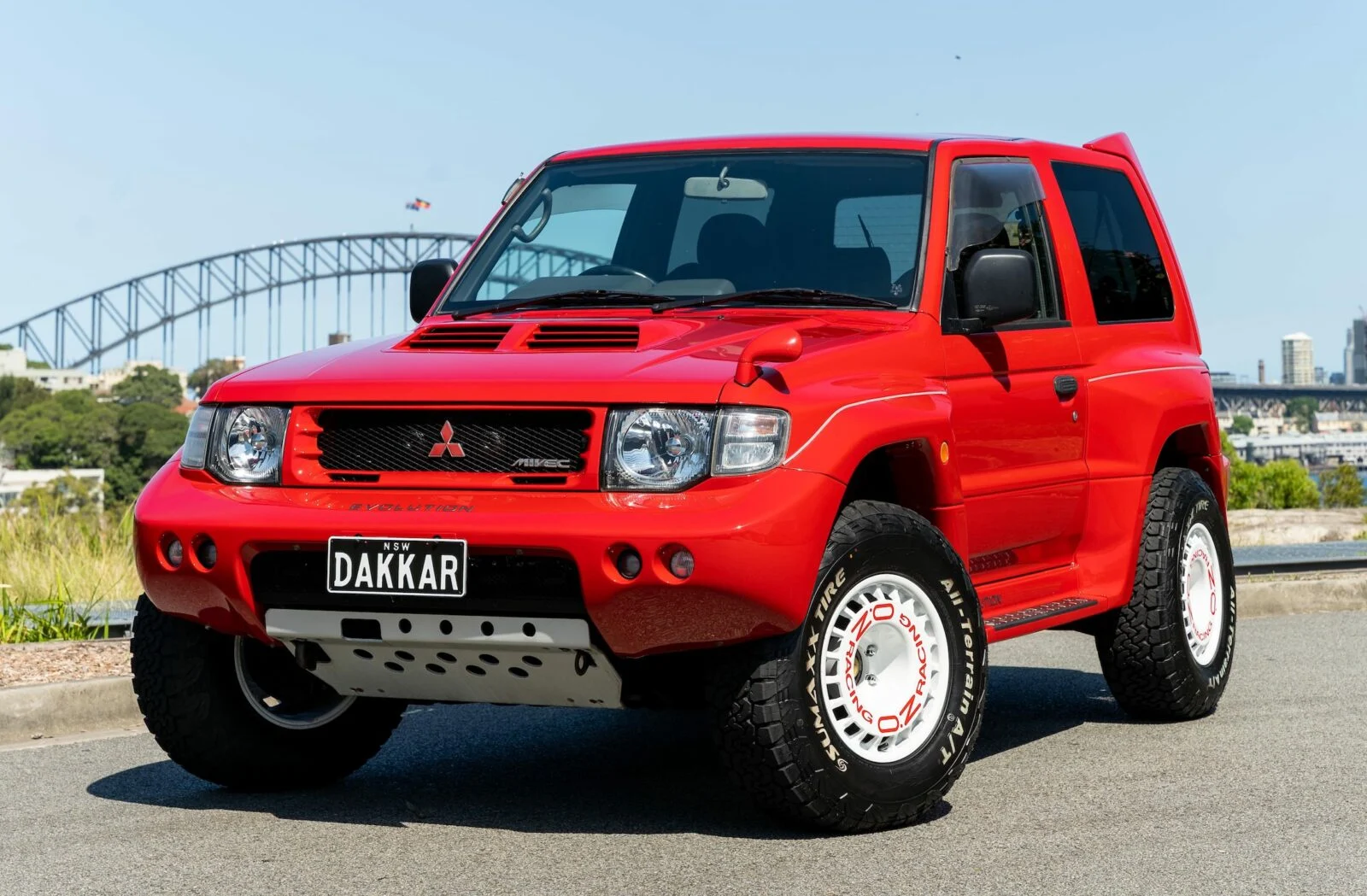
Fourth Generation (2006–2021)
-
Updated styling
-
Enhanced safety features
-
Improved electronics
-
Refined ride quality
The third and fourth generations are generally more popular in the used car market due to improved comfort and safety.
Mitsubishi Pajero Specs & Dimensions
The Mitsubishi Pajero is classified as a full-size SUV in many markets.
Exterior Dimensions (Approximate)
-
Length: 4,385–4,900 mm
-
Width: Around 1,875 mm
-
Height: Around 1,850 mm
-
Wheelbase: Approx. 2,780 mm
-
Ground Clearance: Around 225 mm
Seating Capacity
-
5-seat configuration
-
7-seat configuration
The spacious layout makes it practical for large families and long-distance travel.
Mitsubishi Pajero Engine Options
Engine availability varies by region, but the most common engines include petrol and diesel variants.
Petrol Engines
3.0L V6
-
Suitable for daily driving
-
Moderate power output
3.5L V6
-
Improved performance compared to 3.0L
-
Available in earlier generations
3.8L V6 (6G75)
-
Around 247–250 horsepower
-
Approx. 329 Nm torque
-
5-speed automatic transmission
Petrol engines are smoother and quieter but consume more fuel.
Mitsubishi Pajero Diesel Engine
The 3.2L turbo diesel (4M41) is widely considered the most reliable option.
-
Power: Around 160–190 hp
-
Torque: 373–441 Nm
-
Available in manual and automatic
The Mitsubishi Pajero diesel engine provides strong low-end torque, which is especially useful for towing and off-road driving.
Mitsubishi Pajero Fuel Consumption
Fuel efficiency depends on driving conditions and engine type.
Petrol Models
-
Average: 13–15 liters per 100 km
-
Higher consumption in city traffic
Diesel Models
-
Average: 9–11 liters per 100 km
-
More efficient on highways
While Mitsubishi Pajero fuel consumption is not class-leading, it is typical for a large 4×4 SUV.
Mitsubishi Pajero 4×4 System
The Mitsubishi Pajero 4×4 system is one of its strongest features.
The Super Select 4WD system allows drivers to switch between:
-
2H (rear-wheel drive)
-
4H (full-time four-wheel drive)
-
4HLc (locked center differential)
-
4LLc (low-range for extreme terrain)
Unlike many traditional 4WD systems, 4H mode can be used safely on dry pavement. This increases safety and flexibility during changing weather conditions.

Off-Road Performance
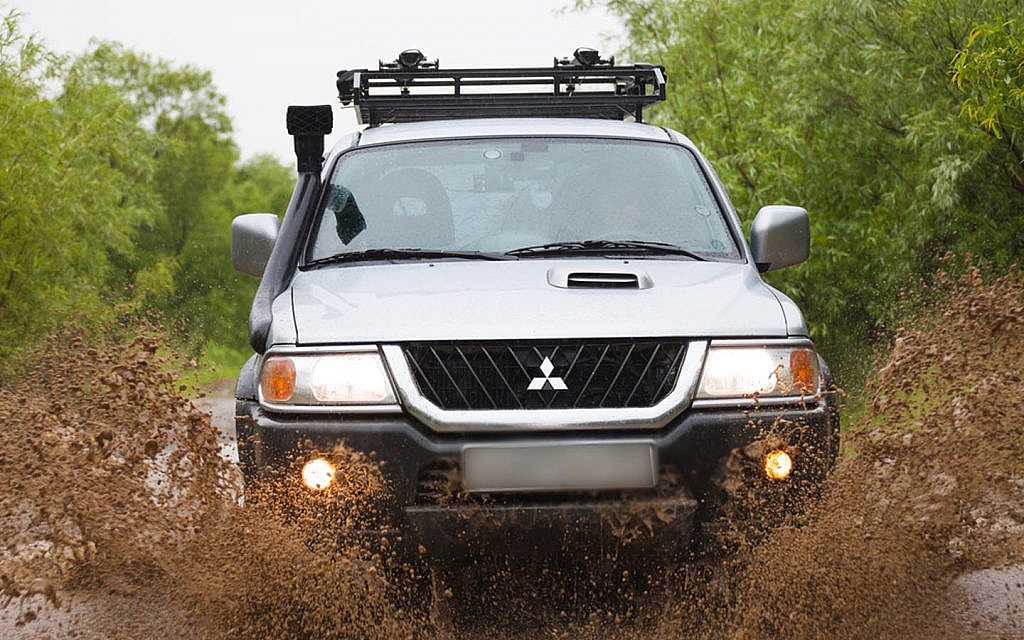
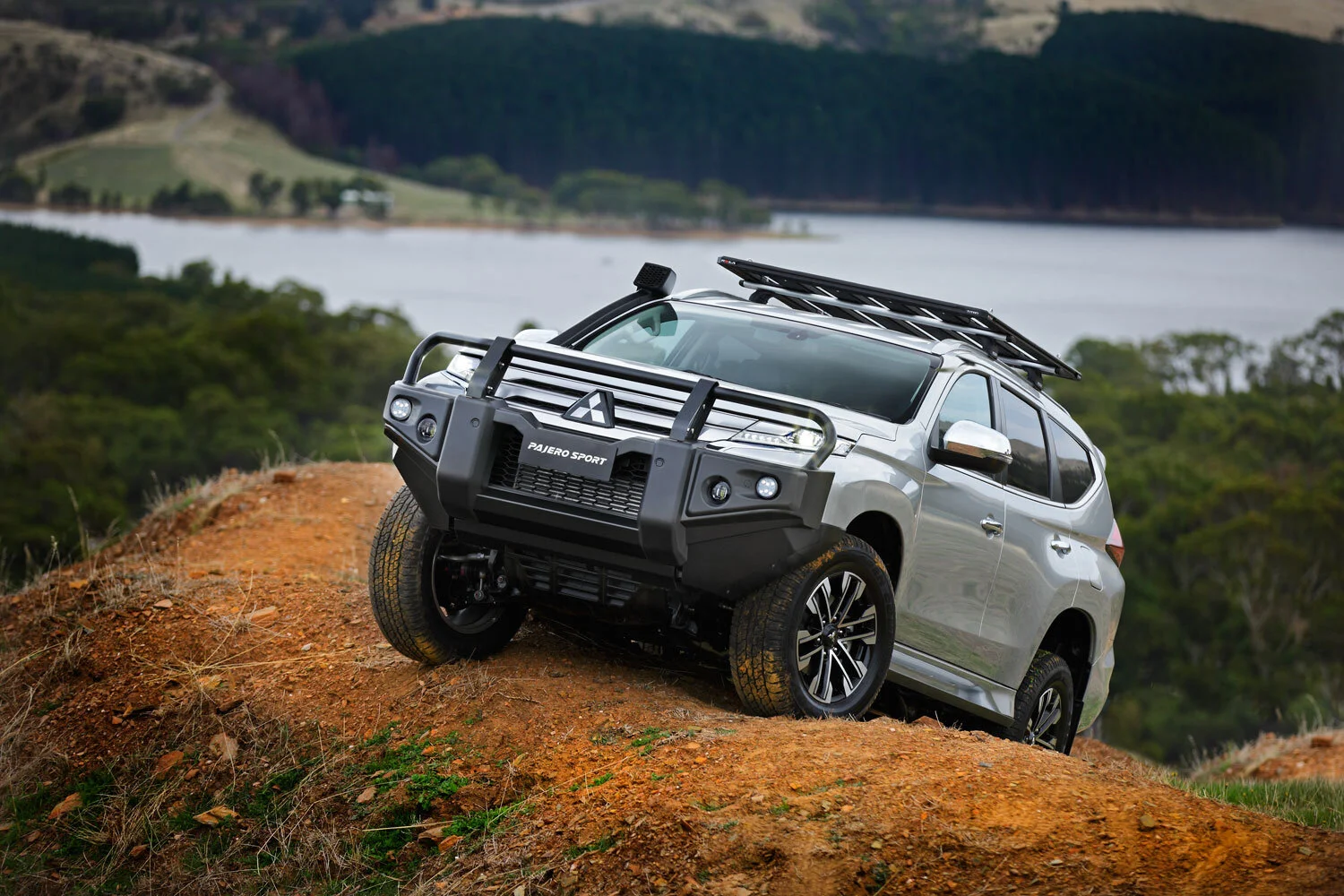
The Mitsubishi Pajero is built for serious off-road conditions.
Key Off-Road Features
-
Ground clearance: approx. 225 mm
-
Approach angle: around 36°
-
Departure angle: around 25°
-
Wading depth: approx. 700 mm
-
Optional rear differential lock
Independent suspension improves comfort but still provides strong capability in sand, gravel, snow, and rocky terrain.
The vehicle performs particularly well in desert conditions when tire pressure is properly adjusted.
Mitsubishi Pajero Towing Capacity
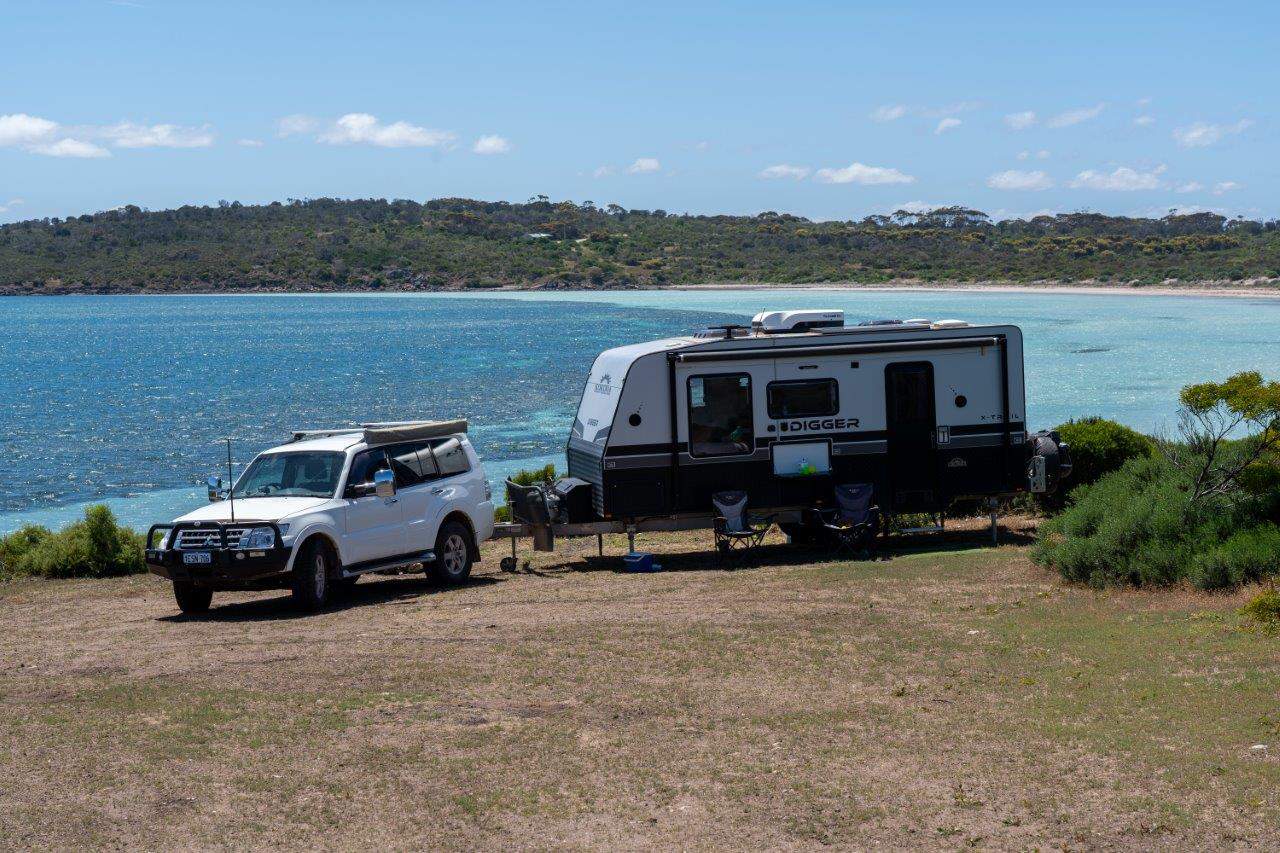
The Mitsubishi Pajero towing capacity reaches up to:
-
3,000 kg (braked trailer)
This makes it suitable for towing:
-
Boats
-
Caravans
-
Horse trailers
-
Heavy utility trailers
Diesel variants are preferred for towing because of higher torque output.
Mitsubishi Pajero Interior & Features
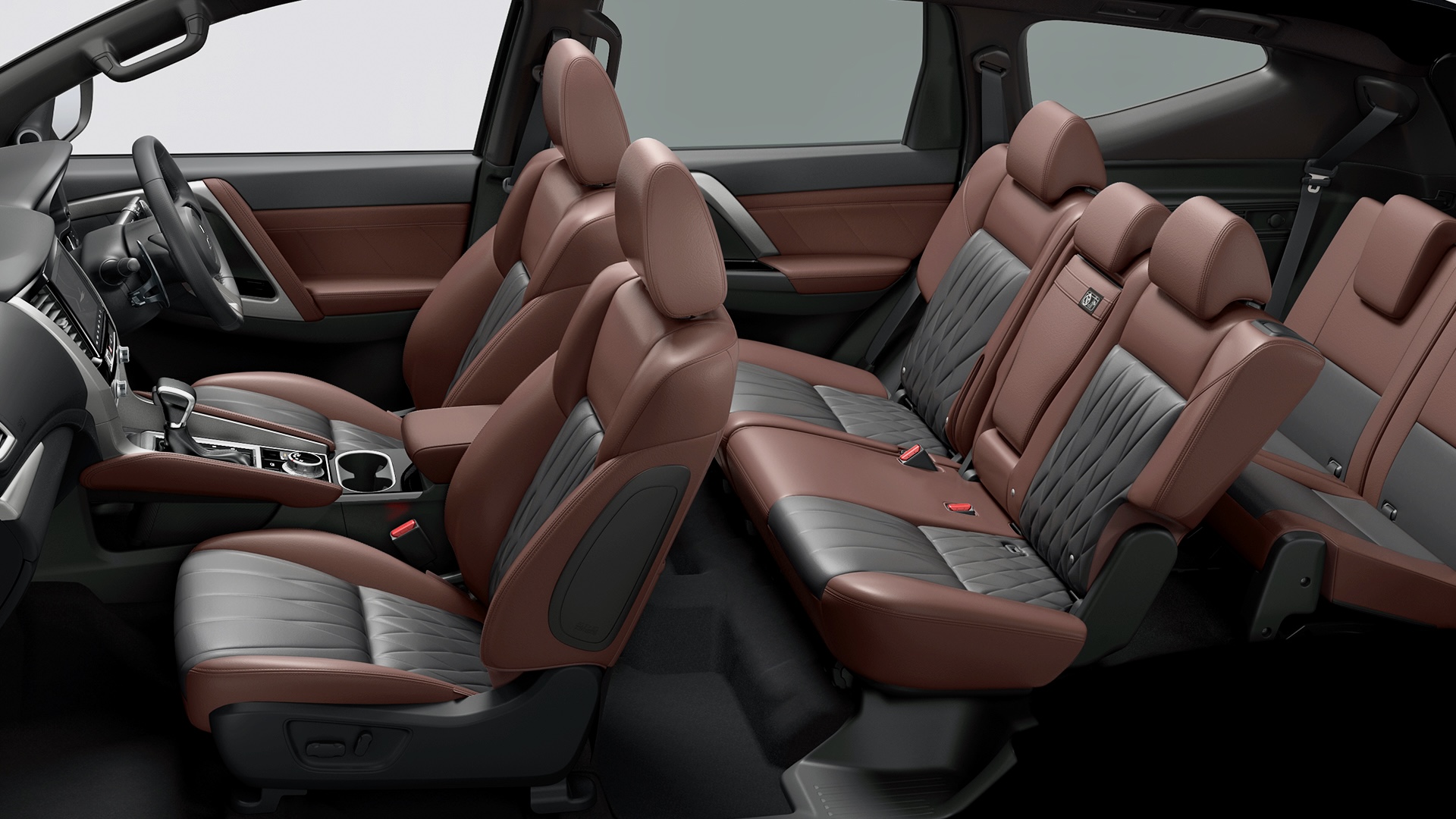
The Mitsubishi Pajero interior focuses on practicality and durability.
Depending on trim level, features may include:
-
Leather seats
-
Power-adjustable front seats
-
Dual-zone climate control
-
Touchscreen infotainment system
-
Rear parking camera
-
Cruise control
-
Folding third-row seats
Cabin materials are designed to last. Even older models often show minimal wear if maintained properly.
Safety Features
Later models of the Mitsubishi Pajero include:
-
Multiple airbags
-
Anti-lock braking system (ABS)
-
Electronic stability control
-
Traction control
-
Hill descent control
-
Hill start assist
Safety standards vary by production year, but fourth-generation models generally meet modern safety expectations for their class.
Mitsubishi Pajero Reliability
Mitsubishi Pajero reliability is one of its strongest advantages.
Strengths
-
Durable diesel engine (4M41)
-
Strong transmission systems
-
Long-lasting drivetrain
-
Capable of exceeding 300,000 km with proper maintenance
Common Issues
-
Suspension bush wear over time
-
Higher fuel usage in petrol versions
-
EGR valve carbon buildup in diesel models
-
Aging electrical components in older units
Routine servicing significantly reduces long-term issues.
Maintenance and Ownership Costs
Ownership costs depend on region, but in general:
-
Spare parts are widely available
-
Service intervals are manageable
-
Diesel maintenance may cost slightly more than petrol
Because the Mitsubishi Pajero remained in production for many years, parts availability is still strong in most markets.
Regular oil changes, transmission servicing, and cooling system checks are essential for long-term durability.
Mitsubishi Pajero Price in the Used Market
Since production ended in 2021, buyers mainly focus on the used Mitsubishi Pajero market.
The Mitsubishi Pajero price depends on:
-
Model year
-
Mileage
-
Engine type
-
Overall condition
-
Market location
Diesel variants often hold stronger resale value due to demand for durability and fuel efficiency.
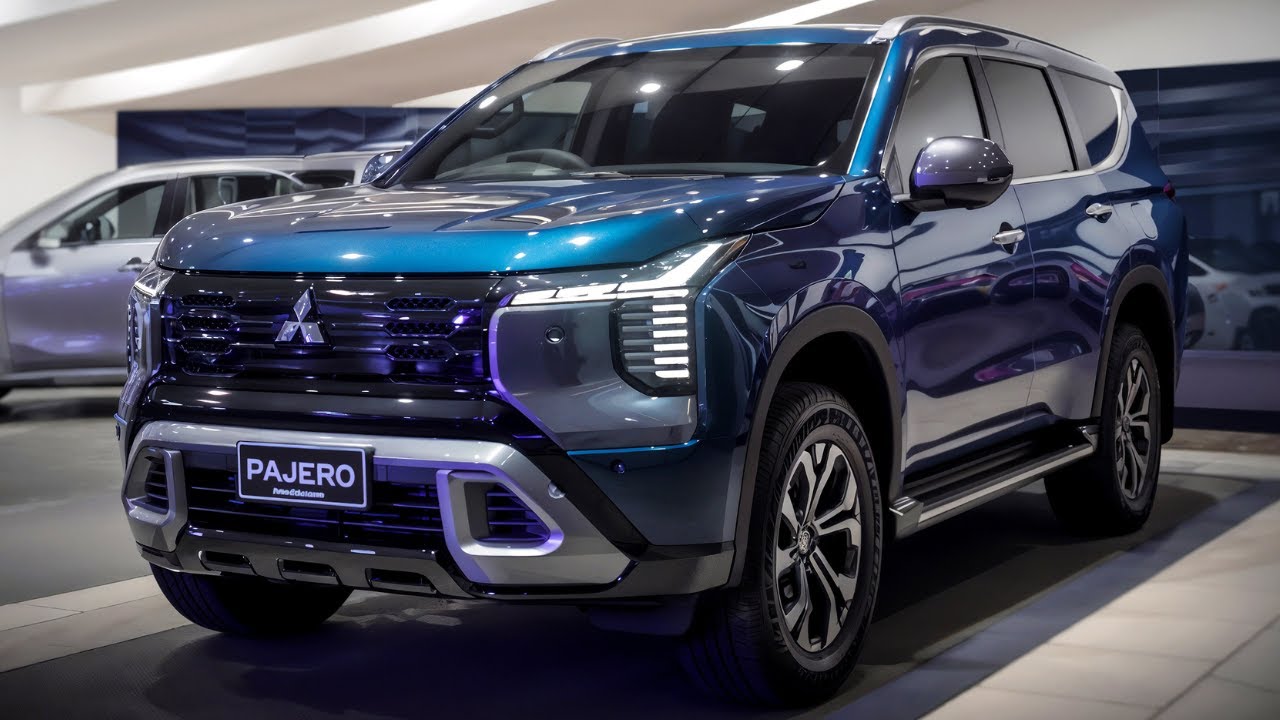
What to Check Before Buying a Used Mitsubishi Pajero
Before purchasing, inspect the following:
-
Complete service records
-
Transmission shifting performance
-
Proper 4WD engagement
-
Suspension condition
-
Undercarriage rust
-
Signs of oil leaks
A professional inspection is recommended for high-mileage vehicles.
Advantages and Disadvantages
Advantages
-
Strong 4×4 capability
-
High towing capacity
-
Proven reliability
-
Spacious interior
-
Durable diesel engine
Disadvantages
-
Higher fuel consumption (petrol)
-
Large size may not suit tight urban areas
-
Technology not as modern as newer SUVs
Why Mitsubishi Pajero Production Ended
Production ended mainly due to:
-
Stricter global emission regulations
-
Shift in market demand toward crossover SUVs
-
Aging platform compared to newer competitors
Despite this, the Mitsubishi Pajero continues to have strong demand in many regions due to its durability.
Who Should Consider Mitsubishi Pajero?
This SUV is ideal for:
-
Families needing 7 seats
-
Long-distance travelers
-
Towing users
-
Off-road enthusiasts
-
Buyers seeking durability over luxury
It may not be ideal for buyers prioritizing fuel efficiency or advanced digital features.
Final Conclusion
The Mitsubishi Pajero remains one of the most respected 4×4 SUVs ever produced. It combines real off-road ability, strong towing performance, and long-term reliability in one package.
Although production has ended, the Mitsubishi Pajero continues to be a popular option in the used vehicle market. For buyers who value strength, mechanical simplicity, and proven performance, it remains a practical and dependable choice.
When properly maintained, this SUV can deliver many years of reliable service both on highways and in challenging terrain.
Mitsubishi Pajero FAQs
The Mitsubishi Pajero price varies depending on model year, engine type, condition, and market. Since production ended in 2021, most buyers purchase a used Mitsubishi Pajero, with diesel variants often costing more due to demand. In many regions, prices range from $25,000 to $45,000 USD for well-maintained models. Newer or low-mileage units may command a premium.
The Mitsubishi Pajero specs include:
-
Engine options: 3.0L, 3.5L, 3.8L petrol; 3.2L turbo diesel
-
Horsepower: 160–250 hp (depending on engine)
-
Torque: 259–441 Nm
-
Towing capacity: up to 3,000 kg
-
Ground clearance: ~225 mm
-
Seating: 5 or 7 passengers
-
4×4 system: Super Select 4WD
-
Fuel consumption: 9–15 L/100 km
These specs make the Pajero capable for both off-road adventures and family road trips.


Mitsubishi Pajero fuel consumption depends on engine and driving style:
-
3.8L petrol: ~13–15 L/100 km
-
3.2L turbo diesel: ~9–11 L/100 km
Diesel engines are more fuel-efficient, especially on highways or long-distance trips. Petrol variants consume more but provide smoother acceleration.
Yes, the Mitsubishi Pajero reliability is one of its key strengths. Diesel engines like the 3.2L 4M41 are known to last 300,000+ km with proper maintenance. Common issues may include suspension bush wear, aging electronics, or higher fuel use in petrol models, but overall, it’s considered durable and long-lasting.
The Mitsubishi Pajero 4×4 system, known as Super Select, allows seamless switching between:
-
2H (rear-wheel drive)
-
4H (full-time 4WD)
-
4HLc (locked center differential)
-
4LLc (low-range for extreme terrain)
Unlike some SUVs, 4H mode can be used on paved roads, giving drivers both on-road comfort and off-road capability. This makes the Pajero a highly versatile 4×4 SUV.