Lamborghini Huracán: The Complete 2026 Buyer’s Guide to Italy’s Last Pure V10 Supercar
The History: How the Lamborghini Huracán Saved the Brand
-
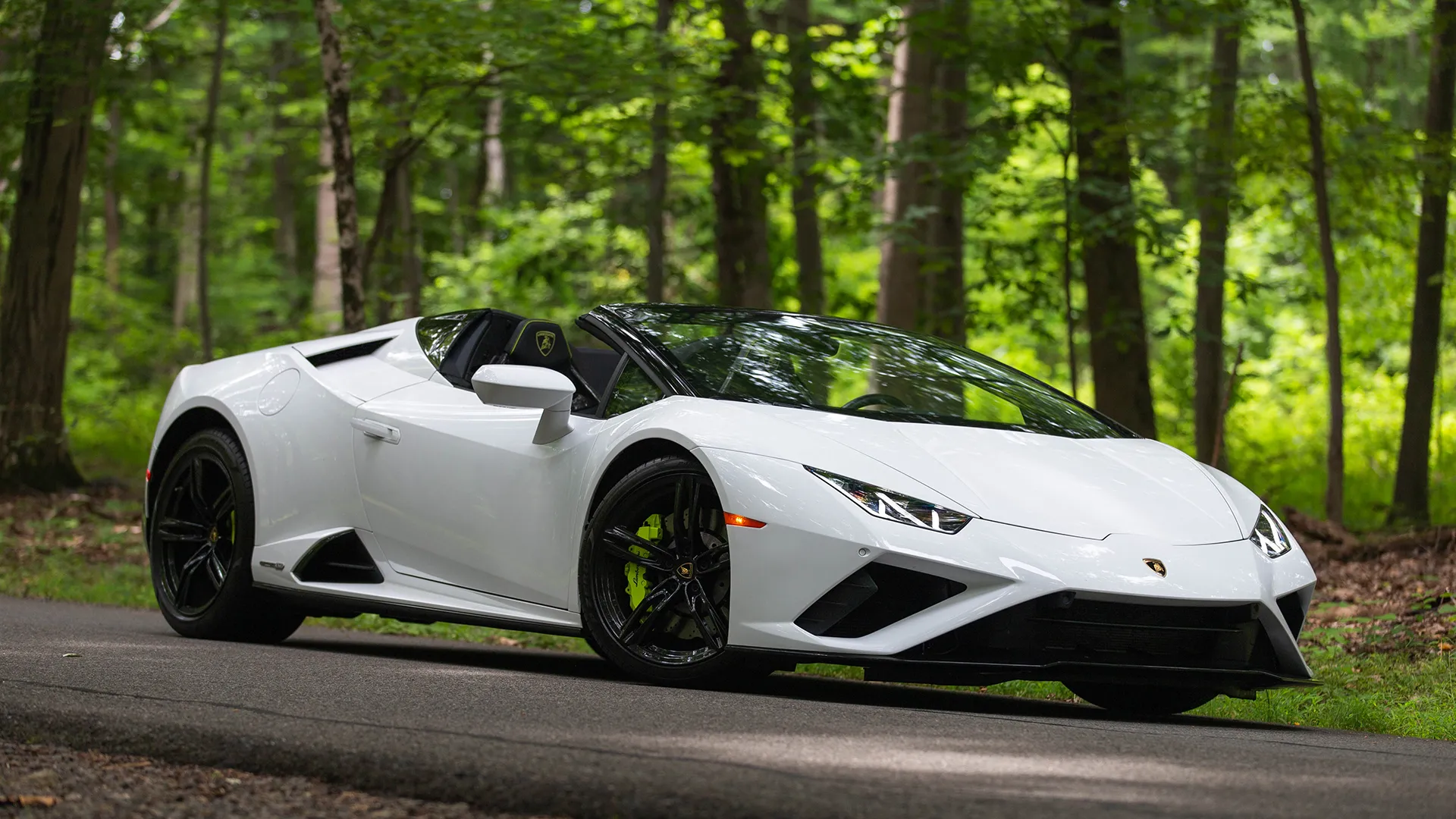
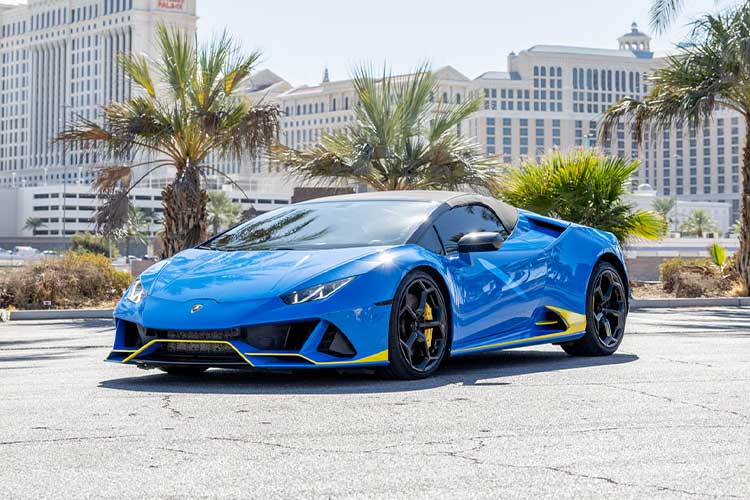
2014-2019: LP 610-4 coupe and Spyder, LP 580-2 rear-wheel drive versions
-
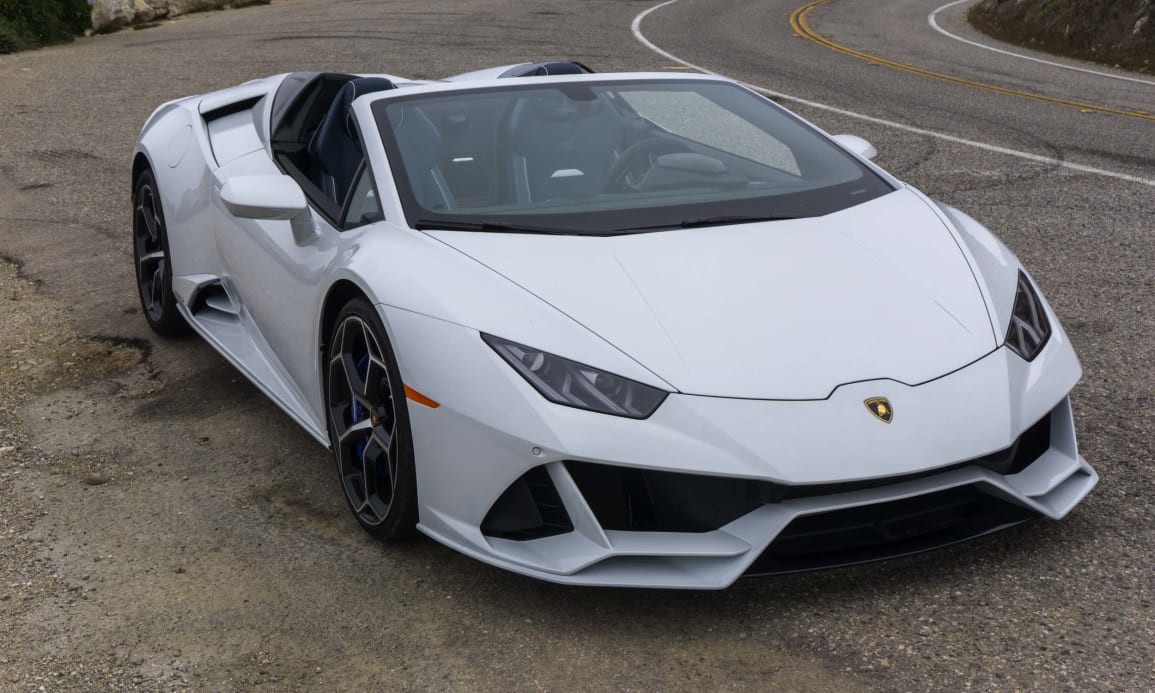
2019-2024: EVO facelift with 631 hp, rear-wheel steering, and updated infotainment
-
2022-2024: Tecnica (track-focused street car), STO (race car for the road), Sterrato (off-road supercar)
-
2024-2026: Final editions before hybrid replacement
Lamborghini Huracán Variants Explained: Which One to Buy in 2026
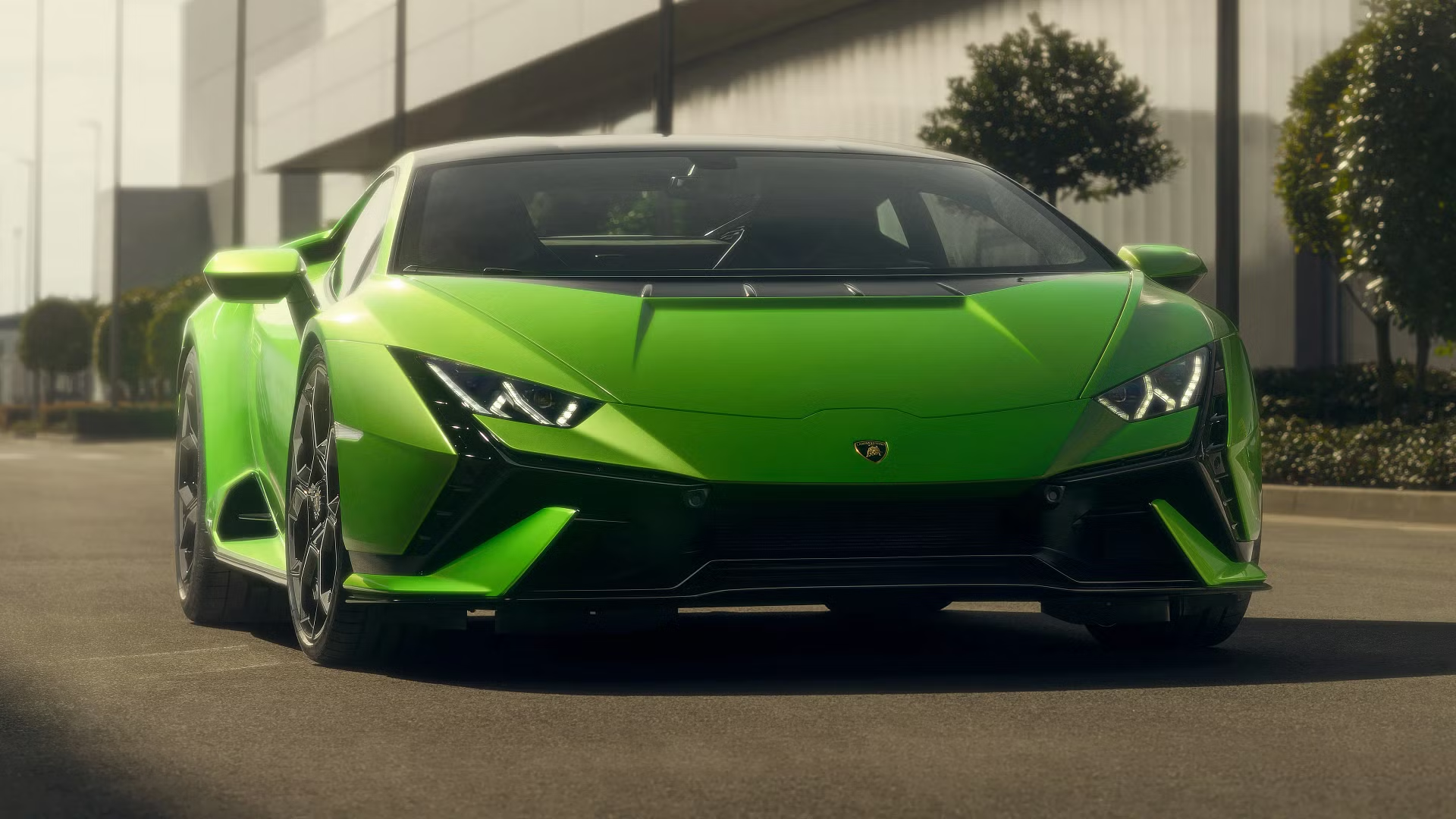
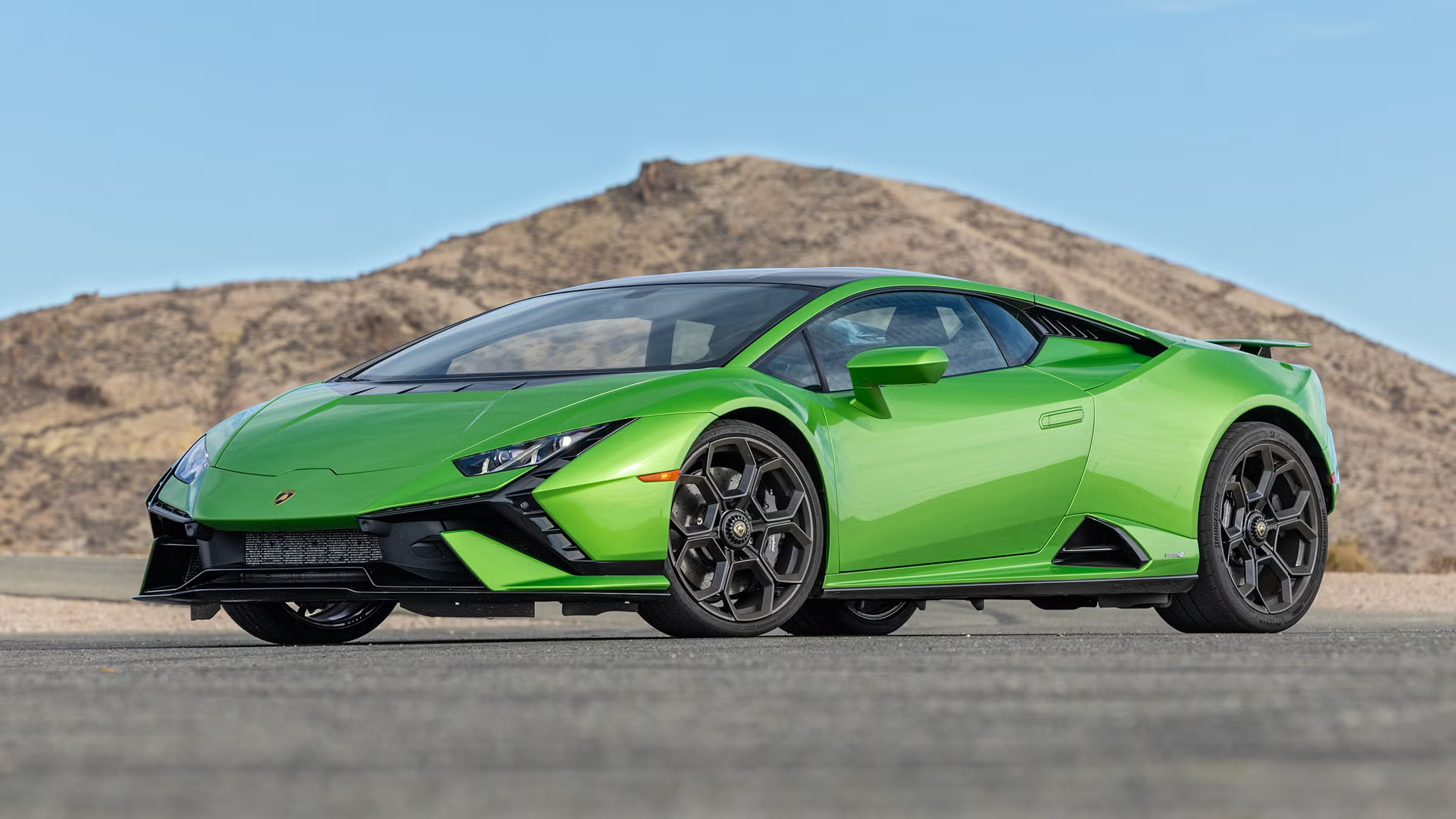
Lamborghini Huracán Tecnica (2022-2026)
-
Power: 631 hp @ 8,000 rpm, 417 lb-ft @ 6,500 rpm
-
Weight: 3,137 lbs (dry)
-
0-62 mph: 3.2 seconds
-
Top speed: 202 mph
-
Starting price: ~$240,000 (new), $180,000-220,000 (used)
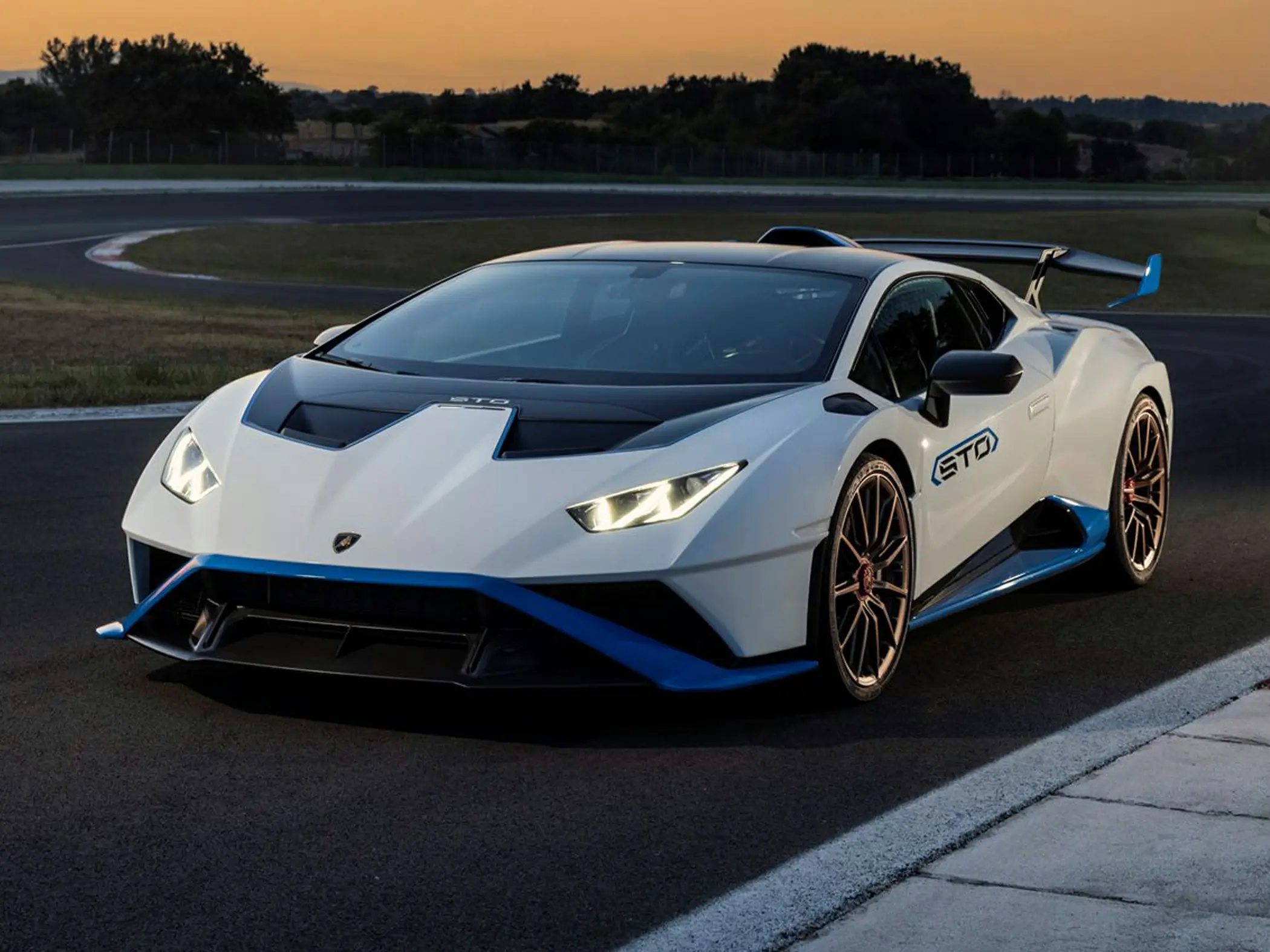
Lamborghini Huracán STO (2021-2026)
-
Power: 631 hp
-
Weight: 2,951 lbs (dry)—294 lbs lighter than Tecnica
-
0-62 mph: 3.0 seconds
-
Top speed: 193 mph (lower than Tecnica due to aero drag)
-
Starting price: ~$330,000 (new), $280,000-350,000 (used)
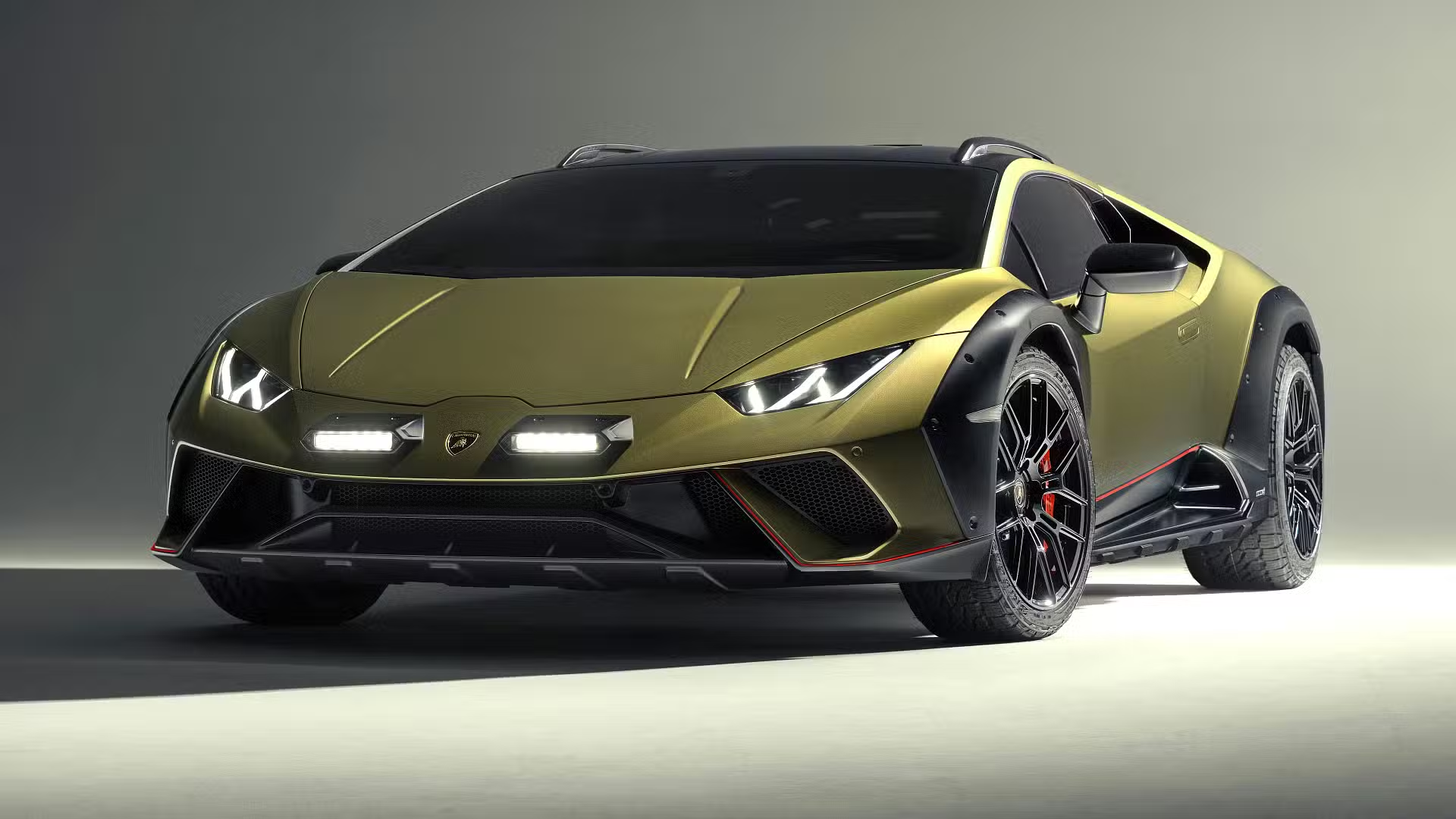
Lamborghini Huracán Sterrato (2023-2024)
-
Power: 602 hp (detuned for off-road use)
-
Weight: 3,241 lbs
-
0-62 mph: 3.4 seconds
-
Top speed: 160 mph (limited by all-terrain tires)
-
Production: 1,499 units
-
Current price: $350,000-450,000 (used, production ended)
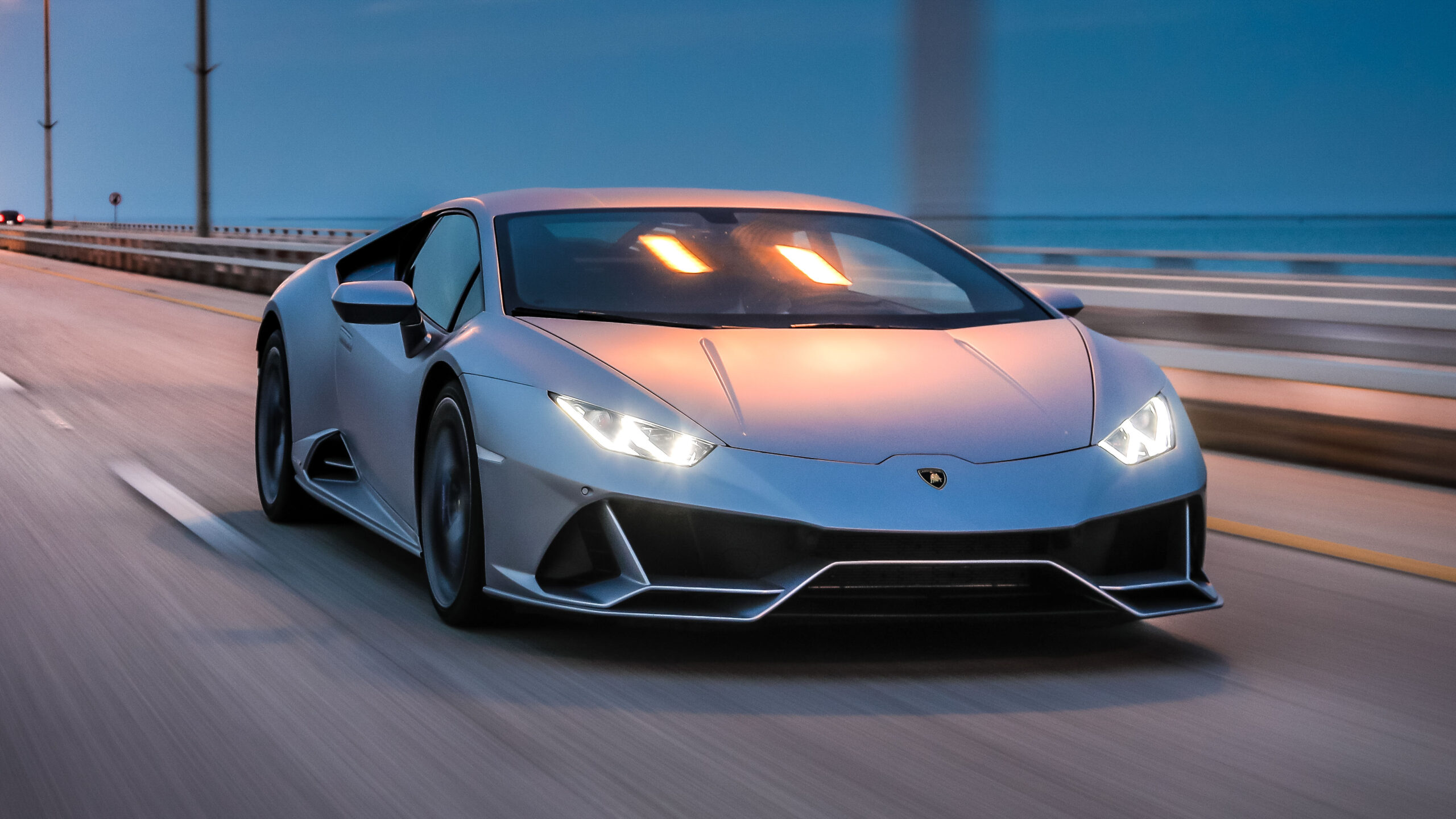
Lamborghini Huracán EVO (2019-2024)
-
Power: 631 hp
-
0-62 mph: 2.9 seconds (AWD), 3.3 seconds (RWD)
-
Starting price: $200,000-260,000 (used, depending on year and miles)
Lamborghini Huracán Performance: The V10 Reality
-
90-degree V10 configuration
-
Dry sump lubrication (allows low engine mounting for center of gravity)
-
Dual overhead camshafts with variable valve timing
-
Direct and port fuel injection
-
8,500 rpm redline (8,000 rpm in some variants)
-
0-60 mph: 2.9-3.4 seconds depending on variant
-
0-100 mph: 6.0-7.0 seconds
-
Quarter mile: 10.4-11.0 seconds at 130-135 mph
-
Top speed: 193-202 mph
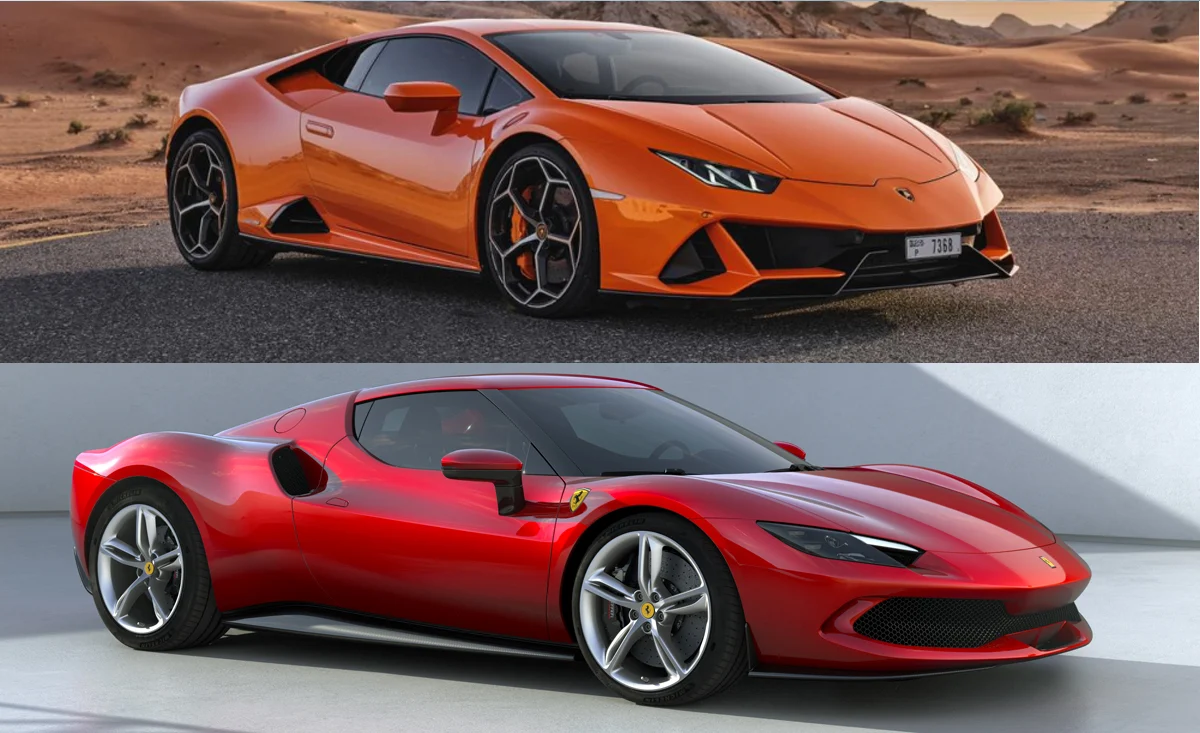
Lamborghini Huracán vs. Ferrari 296 GTB: The Hybrid Challenge
| Specification | Lamborghini Huracán Tecnica | Ferrari 296 GTB |
|---|---|---|
| Engine | 5.2L naturally aspirated V10 | 3.0L twin-turbo V6 hybrid |
| Power | 631 hp | 819 hp |
| Torque | 417 lb-ft | 546 lb-ft |
| 0-62 mph | 3.2 seconds | 2.9 seconds |
| Top Speed | 202 mph | 205 mph |
| Weight | 3,137 lbs | 3,240 lbs |
| Starting Price | $240,000 | $338,000 |
| Fuel Economy | 13 city / 18 highway mpg | 18 city / 22 highway mpg |
Lamborghini Huracán Maintenance Costs: The Expensive Truth
-
Year 1 / 9,000 miles: Oil change, filters, inspection—$850-$1,500
-
Year 2 / 18,000 miles: Brake fluid flush, coolant change, deeper inspection—$1,500-$2,500
-
Year 3 / 27,000 miles: Repeat Year 1 service—$850-$1,500
-
Year 4 / 36,000 miles: Spark plugs, transmission fluid, major inspection—$3,500-$6,000
-
Year 5 / 45,000 miles: Repeat Year 1 service—$850-$1,500
-
Low mileage (5,000 miles/year): $15,000-$20,000
-
Average mileage (10,000 miles/year): $20,000-$30,000
-
High mileage/track use: $35,000+
Lamborghini Huracán Reliability: What 25,000 Cars Reveal
-
The 5.2-liter V10 is robust when maintained. No widespread engine failures.
-
The dual-clutch transmission is more reliable than the Gallardo’s single-clutch unit.
-
The chassis and suspension components are overbuilt for street use.
-
Electrical issues: Infotainment freezes, sensor failures, and warning light glitches are common. The system is Audi-based but Lamborghini-customized, creating compatibility issues.
-
Transmission heat: The dual-clutch runs hot in traffic, leading to premature wear if not serviced religiously.
-
Clutch wear: Aggressive launches destroy clutch packs. Replacement costs $10,000-$15,000.
-
Air conditioning: Weak performance in hot climates; compressor failures after 30,000 miles.
-
Door seal leaks: Water intrusion into the cabin during heavy rain (early models).
-
2015-2017: Transmission fluid level issues
-
2015-2019: Headlight alignment problems
-
2020-2022: Rearview camera failures
-
Various years: Fuel system and software updates
Buying a Lamborghini Huracán in 2026: New vs. Used
-
Pros: Full warranty, latest updates, factory fresh, potential collector value as final editions
-
Cons: $240,000-$330,000 plus options, immediate depreciation (10-15% in year one)
-
Availability: Extremely limited; most allocations are sold
-
Pros: $180,000-220,000 for clean examples, depreciation largely absorbed, proven reliability
-
Cons: Out of warranty (or nearly), unknown previous owner treatment, potential for hidden issues
-
Sweet spot: 2020-2022 EVO RWD with 10,000-20,000 miles
-
Pros: $140,000-180,000, still modern performance, available with warranties from some dealers
-
Cons: Older infotainment, no rear-wheel steering, higher mileage examples may need major service
-
Risk: Early production quirks resolved in later models
-
Pros: Unique, likely to appreciate due to limited production (1,499 units), usable daily
-
Cons: $350,000-450,000 used, ended production, off-road focus not for everyone
-
Complete service history at Lamborghini dealers or certified specialists
-
Recall completion documentation
-
Number of previous owners (fewer is better)
-
Track use history (avoid heavily tracked cars unless priced accordingly)
-
Clutch wear measurement (if applicable)
-
Paint thickness gauge check for accident repair
-
Extended warranty availability
The Verdict: Should You Buy a Lamborghini Huracán in 2026?
-
You value character and sound over technology and efficiency
-
You can afford $20,000+ annual running costs without stress
-
You have access to qualified Lamborghini service
-
You plan to keep the car long-term (5+ years) to absorb depreciation
-
You want a piece of automotive history as the V10 era ends
-
You want the latest technology and driver assists
-
You need to drive daily in heavy traffic
-
You’re stretching financially to afford the purchase price
-
You prefer the instant torque of electric or hybrid powertrains
-
You can’t stomach unpredictable maintenance bills
2026 Lamborghini Huracán Quick Reference:
| Variant | Power | Weight | 0-62 mph | New Price | Used Price |
|---|---|---|---|---|---|
| Tecnica | 631 hp | 3,137 lbs | 3.2 sec | $240,000+ | $180,000-220,000 |
| STO | 631 hp | 2,951 lbs | 3.0 sec | $330,000+ | $280,000-350,000 |
| Sterrato | 602 hp | 3,241 lbs | 3.4 sec | N/A (ended) | $350,000-450,000 |
| EVO RWD | 631 hp | 3,135 lbs | 3.3 sec | N/A (ended) | $180,000-240,000 |
Lamborghini Huracán FAQs
A new Lamborghini Huracán costs $240,000 to $330,000 in 2026, depending on the variant. The Huracán Tecnica starts at approximately $240,000, while the track-focused Huracán STO begins around $330,000 . Used Huracán models range from $140,000 for early LP 580-2 coupes to $450,000 for the limited-edition Sterrato . Annual ownership costs including maintenance, insurance, and fuel typically run $20,000-$30,000 .
Yes, the Lamborghini Huracán is surprisingly reliable for a supercar when properly maintained. With over 25,000 units produced, the 5.2-liter V10 engine and dual-clutch transmission have proven robust. However, expect electrical glitches (infotainment freezes, sensor warnings), transmission heat issues in traffic, and costly maintenance. Clutch replacement costs $10,000-$15,000, and annual service runs $1,500-$6,000 depending on mileage. Buy only with complete service history from Lamborghini dealers.
The Lamborghini Huracán reaches a top speed of 193-202 mph depending on the variant. The Huracán Tecnica and EVO hit 202 mph, while the aero-limited Huracán STO achieves 193 mph. All variants accelerate from 0-62 mph in 2.9-3.4 seconds, with the STO being quickest at 3.0 seconds. The naturally aspirated 5.2-liter V10 produces 602-631 horsepower and revs to 8,500 rpm.
Choose the Lamborghini Huracán for visceral driving character; choose the Ferrari 296 GTB for technology and speed. The Huracán offers a naturally aspirated V10 with linear power delivery and an 8,500 rpm redline, while the 296 GTB uses an 819 hp hybrid V6 for faster acceleration (0-62 mph in 2.9 vs 3.2 seconds). The Ferrari is more efficient (22 vs 18 highway mpg) and advanced, but the Huracán is lighter, simpler, and $100,000 less expensive. For purists, the Huracán is the last naturally aspirated V10 Lamborghini.
Yes, Lamborghini Huracán production ends in 2026 after 11 years and over 25,000 units—making it the brand’s most successful model ever. The replacement, the Lamborghini Temerario, features a twin-turbo V8 hybrid powertrain, ending the naturally aspirated V10 era. Final Huracán allocations for 2026 are extremely limited, with the Tecnica and STO as the last variants available new. Used prices have remained strong due to collector interest in the final V10 models.