Lamborghini Veneno: The Definitive Guide to the $14 Million Hypercar Legend
The History: How the Lamborghini Veneno Was Born
Lamborghini Veneno Production Numbers: The Complete Breakdown
| Variant | Units Produced | Colors | Status |
|---|---|---|---|
| Veneno Coupe (Prototype) | 1 | Gray with Italian flag livery | Lamborghini Museum (MUDETEC) |
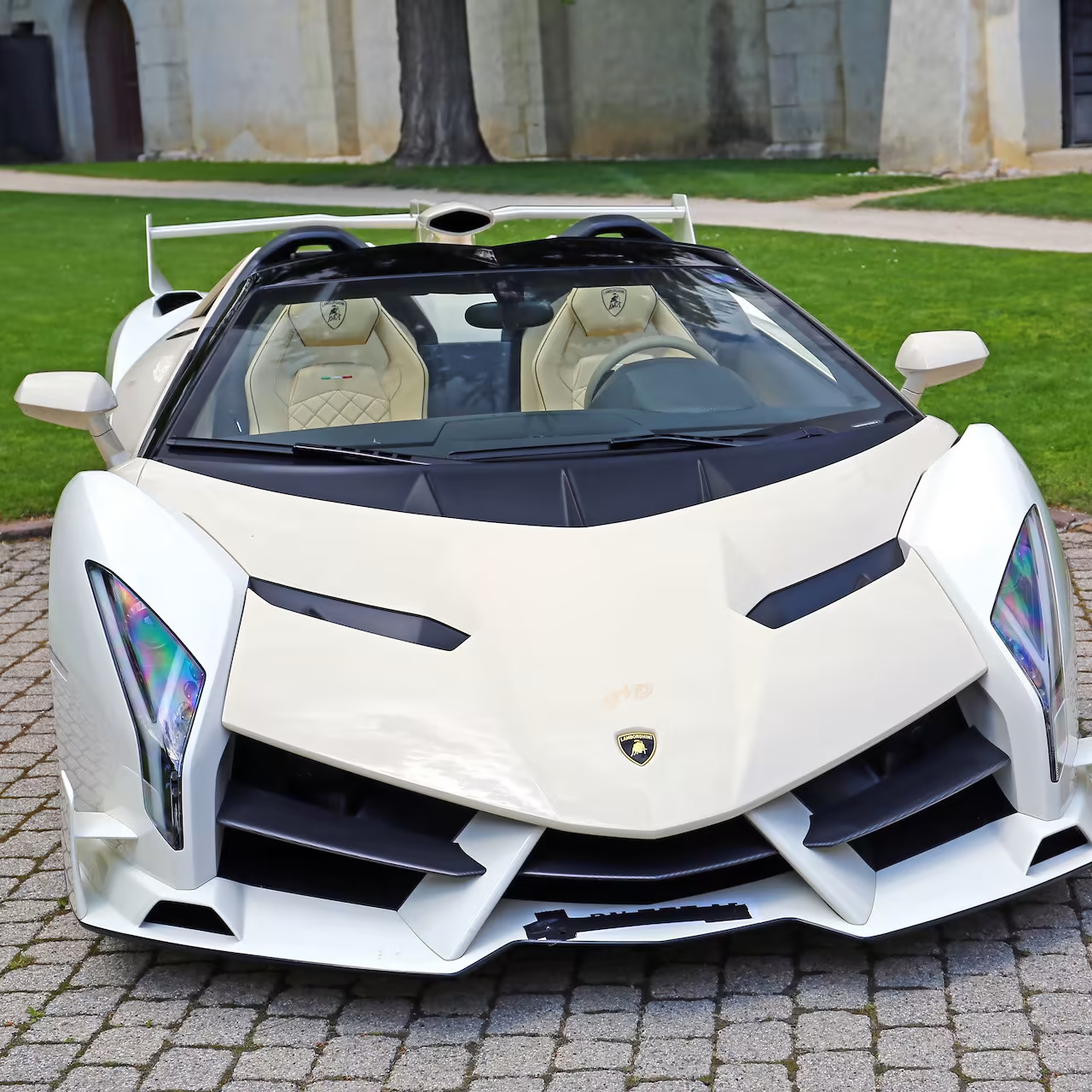
| Veneno Coupe (Customer Cars) | 3 | Verde (Green), Bianca (White), Rosso (Red) | Privately owned |
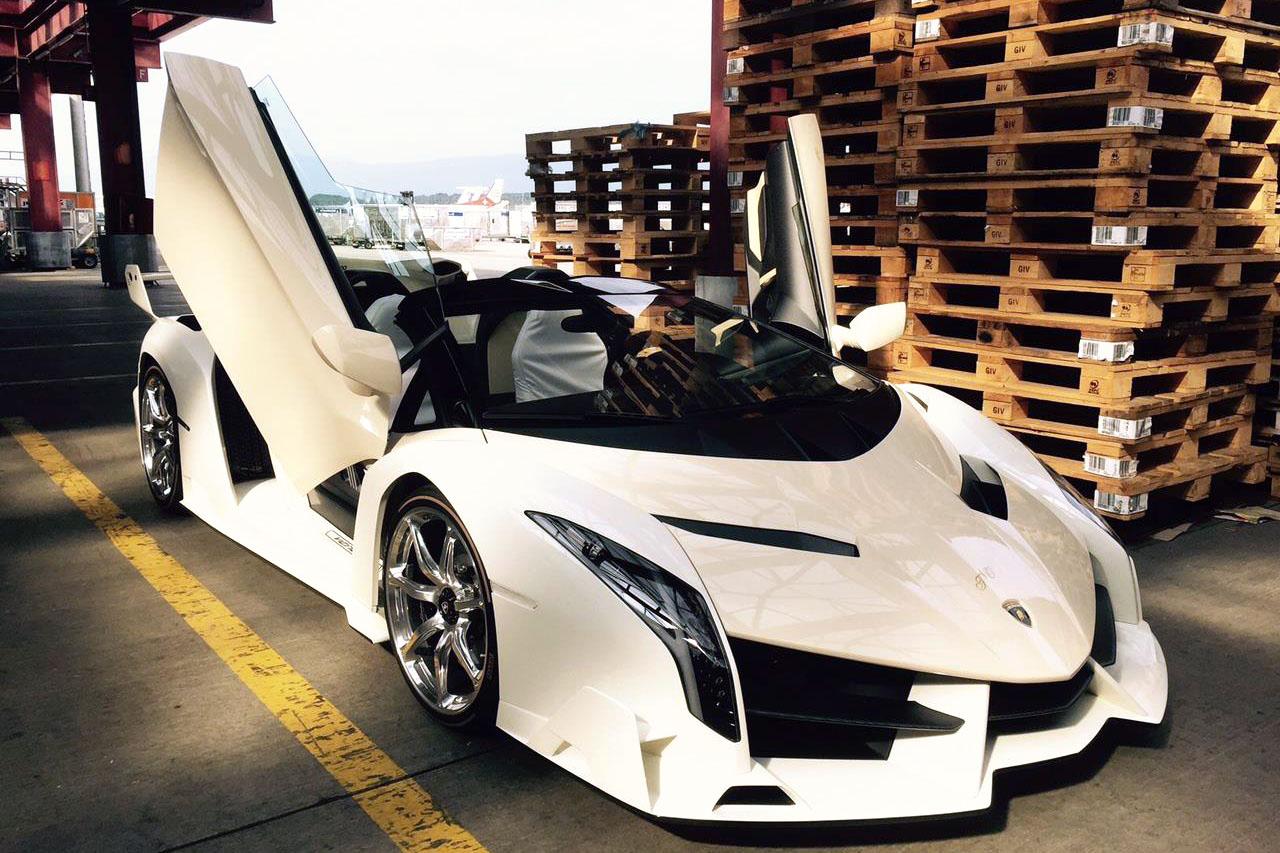
| Veneno Roadster | 9 | Various including Nero, Bianco, Verde, Rosso, Carbon | All sold, occasionally resold |
| Total Production | 13 | — | — |
-
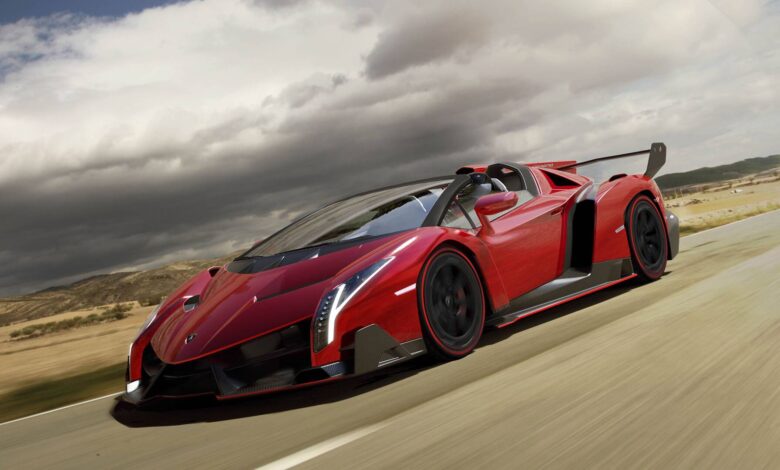
Rosso Veneno (red) – multiple units
-
Nero Nemesis (matte black with green accents) – located in USA
-
Bianco Canopus (satin white) – the only one with newer-style bucket seats
-
Matte carbon fiber over Rosso – UAE-based
-
Verde Miura (green) – heritage color
-
2024: Roadster (ZHWUA3ZD9ELA02223) with 127 miles sold for $13.9 million in Montreal
-
2024: Roadster (ZHWWEB3ZD5FLA03002) with 1,105 miles sold for $6 million via SBX Cars online auction
-
2019: Roadster (ZHWWEB3ZD5FLA03007) with 202 miles sold for $8.27 million at Bonhams Switzerland
Lamborghini Veneno Specs: The Technical Reality
| Specification | Lamborghini Veneno Coupe | Lamborghini Veneno Roadster |
|---|---|---|
| Engine | 6.5L naturally aspirated V12 | 6.5L naturally aspirated V12 |
| Power | 750 hp @ 8,400 rpm | 750 hp @ 8,400 rpm |
| Torque | 690 Nm (509 lb-ft) @ 5,500 rpm | 690 Nm (509 lb-ft) @ 5,500 rpm |
| Transmission | 7-speed ISR automated manual | 7-speed ISR automated manual |
| Drivetrain | AWD with Haldex IV | AWD with Haldex IV |
| Dry Weight | 1,450 kg (3,197 lb) | 1,490 kg (3,285 lb) |
| 0-100 km/h (0-62 mph) | 2.8 seconds | 2.9 seconds |
| Top Speed | 355 km/h (221 mph) | 355 km/h (221 mph) |
| Length | 5,020 mm (197.6 in) | 5,020 mm (197.6 in) |
| Width | 2,075 mm (81.7 in) | 2,075 mm (81.7 in) |
| Height | 1,165 mm (45.9 in) | 1,165 mm (45.9 in) |
| Original Price | ~$4.0-4.5 million | ~$4.5-5.6 million |
| Current Value | $13-16 million | $6-14 million |
-
Carbon fiber monocoque and body panels – extensive use of Forged Composite
-
Pushrod suspension with horizontal dampers – race car technology for the road
-
Carbon-ceramic brakes – 400mm front, 380mm rear
-
Center-lock wheels – 20-inch front, 21-inch rear
-
Fully flat underbody with NACA ducts – feeds the massive rear diffuser
-
Adjustable rear spoiler – three positions for downforce tuning
-
LMP1-inspired central fin – improves high-speed stability

Lamborghini Veneno Design: Art or Assault?
Driving the Lamborghini Veneno: What’s It Actually Like?
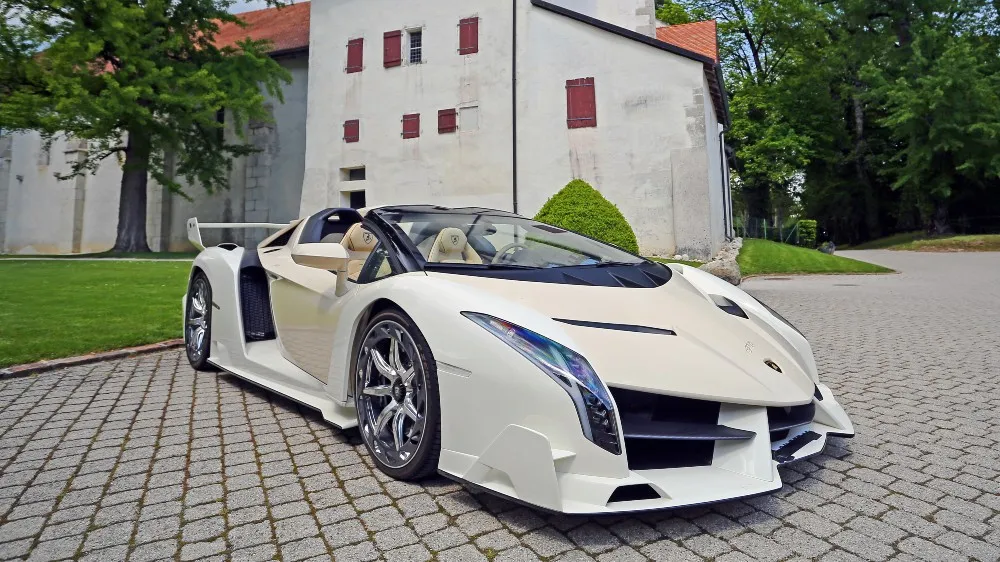
Lamborghini Veneno Price: From $4 Million to $14 Million+
-
Coupe: ~$4.0-4.5 million
-
Roadster: ~$4.5-5.6 million
-
Coupe: $13-16 million (only 3 exist, none publicly for sale as of early 2026)
-
Roadster: $6-14 million depending on mileage, color, and provenance
-
Absolute scarcity – 13 total units
-
50th anniversary provenance – historically significant
-
Naturally aspirated V12 – the last of its kind before hybridization
-
Extreme design – instantly recognizable, permanently memorable
-
Celebrity ownership – some Veneno models have famous first owners
-
Investment trend – ultra-rare hypercars have become alternative assets
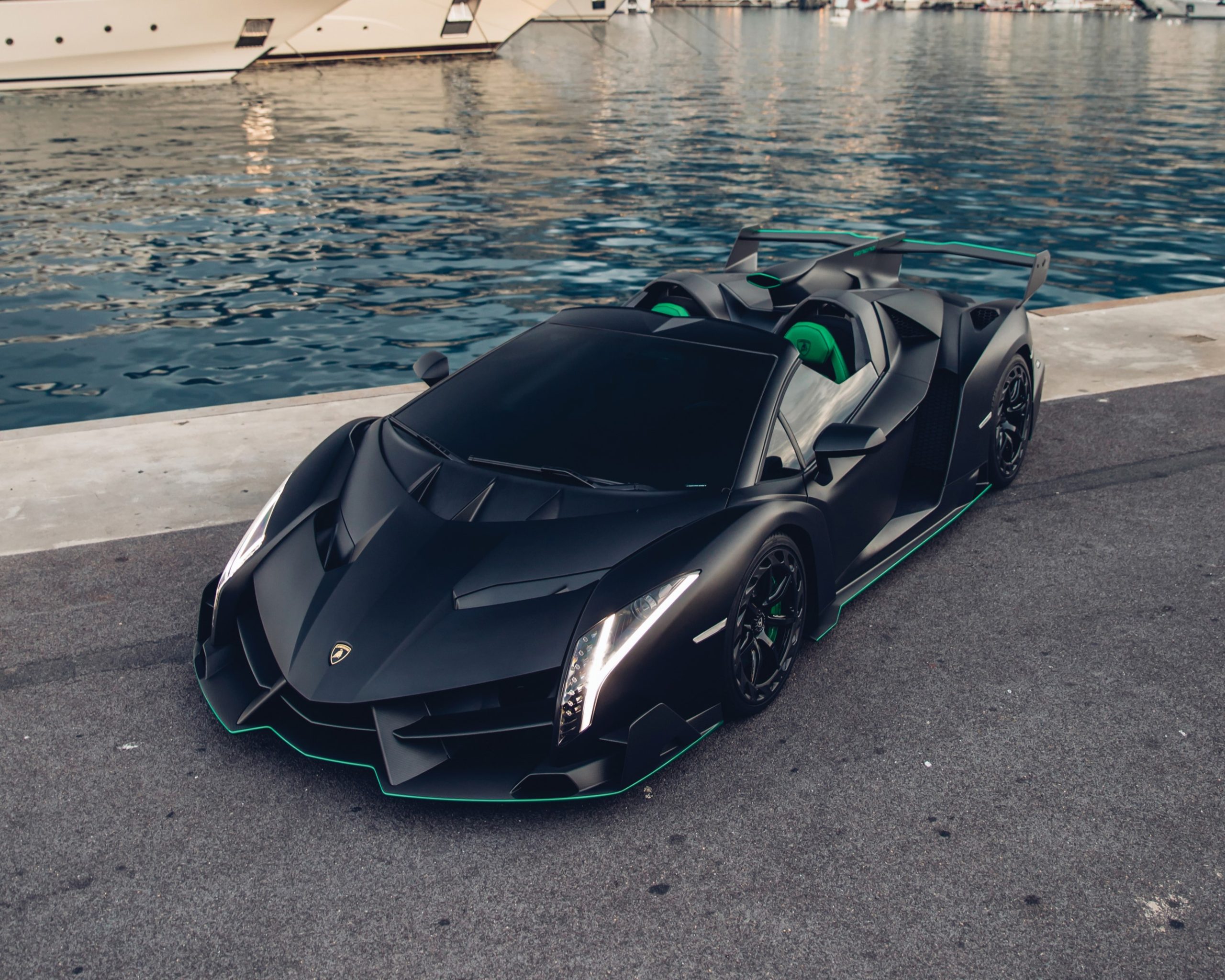
Lamborghini Veneno for Sale: How to Buy One (If You Must)
-
Specialized brokers – LUSSO, duPont REGISTRY, Alain Class Motors
-
-
Auction houses – Bonhams, RM Sotheby’s, Gooding & Co.
-
Private networks – Most sales happen off-market between collectors
-
Online platforms – SBX Cars set the $6 million record in 2024

-
Chassis number (VIN) – confirm authenticity with Lamborghini factory records
-
Mileage – low miles (under 1,000) command premiums
-
Service history – factory maintenance is essential
-
Original specification – colors, options, market (USA/EU/Asia have different equipment)
-
Provenance – celebrity or royal ownership adds value but also scrutiny
-
Recall completion – verify any factory campaigns were performed
-
Modified examples (aftermarket exhausts, wraps, non-factory wheels)
-
High mileage (over 5,000 miles is considered “high” for these)
-
Incomplete documentation
-
Accidents or paintwork
-
Non-factory colors (some Roadsters were repainted)
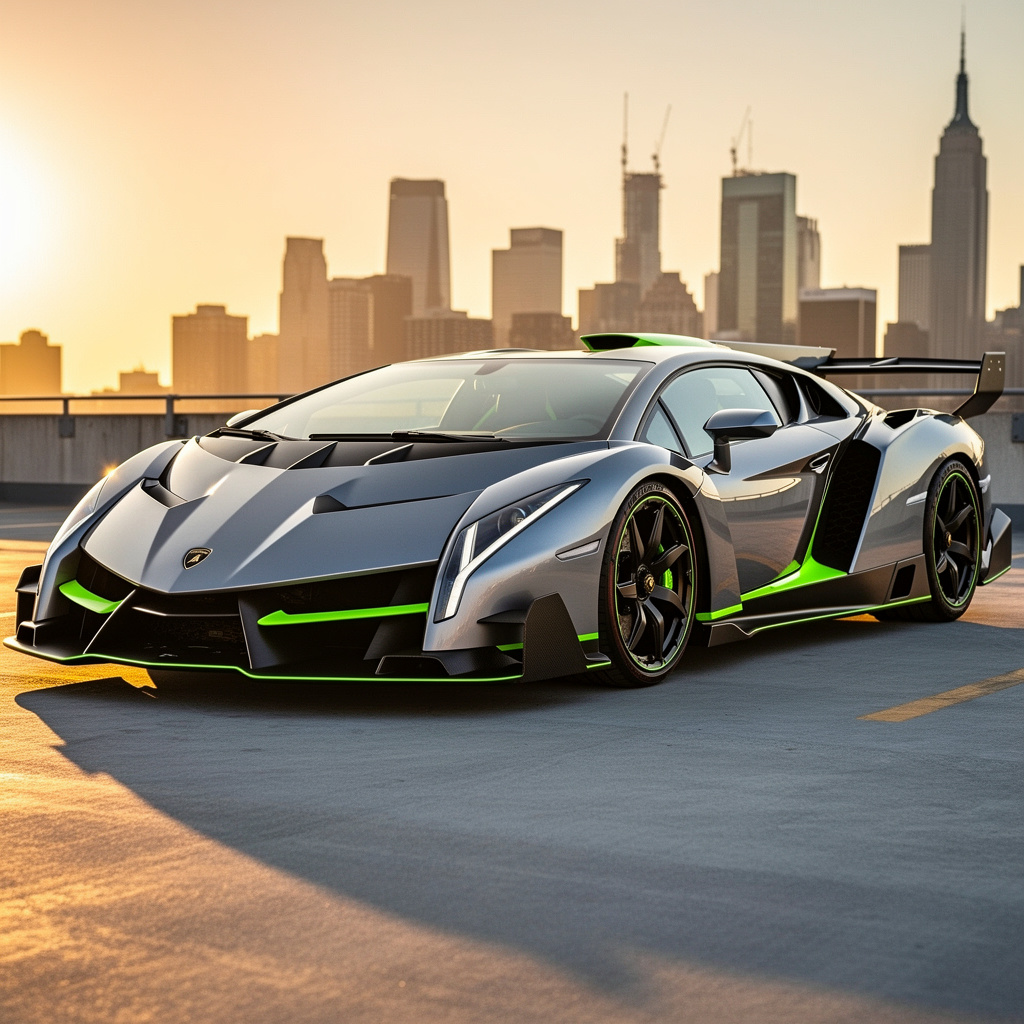
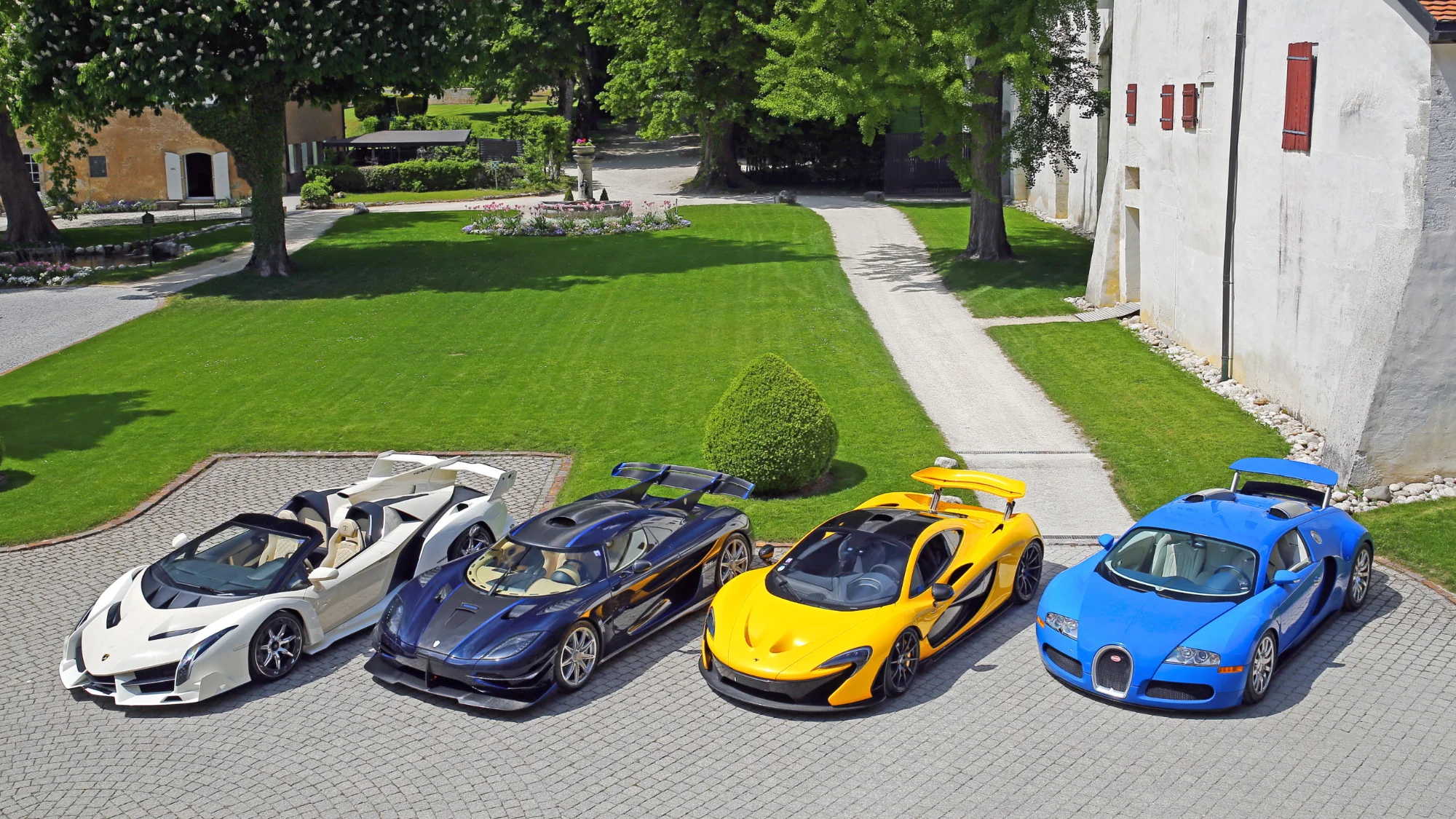
Lamborghini Veneno vs. The Competition
| Model | Production | Power | Original Price | Current Value | Verdict |
|---|---|---|---|---|---|
| Lamborghini Veneno | 13 | 750 hp | $4.0-5.6M | $6-16M | Extreme design, V12 sound, Italian heritage |
| Ferrari LaFerrari | 499 | 950 hp | $1.4M | $3-5M | Hybrid hypercar, more advanced, less rare |
| McLaren P1 | 375 | 903 hp | $1.1M | $1.5-2.5M | British engineering, hybrid, track-focused |
| Porsche 918 Spyder | 918 | 887 hp | $845K | $1.2-2M | German precision, hybrid, daily usable |
| Koenigsegg One:1 | 6 | 1,340 hp | $2.8M | $4-6M | Swedish madness, megacar performance |
| Bugatti Veyron Super Sport | 30 | 1,200 hp | $2.4M | $2-3M | French luxury, top speed record, heavy |
| Aston Martin One-77 | 77 | 750 hp | $1.8M | $1.5-2M | British elegance, naturally aspirated V12 |
The Verdict: Is the Lamborghini Veneno Worth It?
-
Absolute scarcity – rarer than nearly any production car
-
Historical significance – 50th anniversary, last pure V12 era
-
Investment track record – consistent value appreciation
-
Cultural impact – instantly recognizable even to non-car people
-
Brand pinnacle – the most extreme Lamborghini until the Revuelto
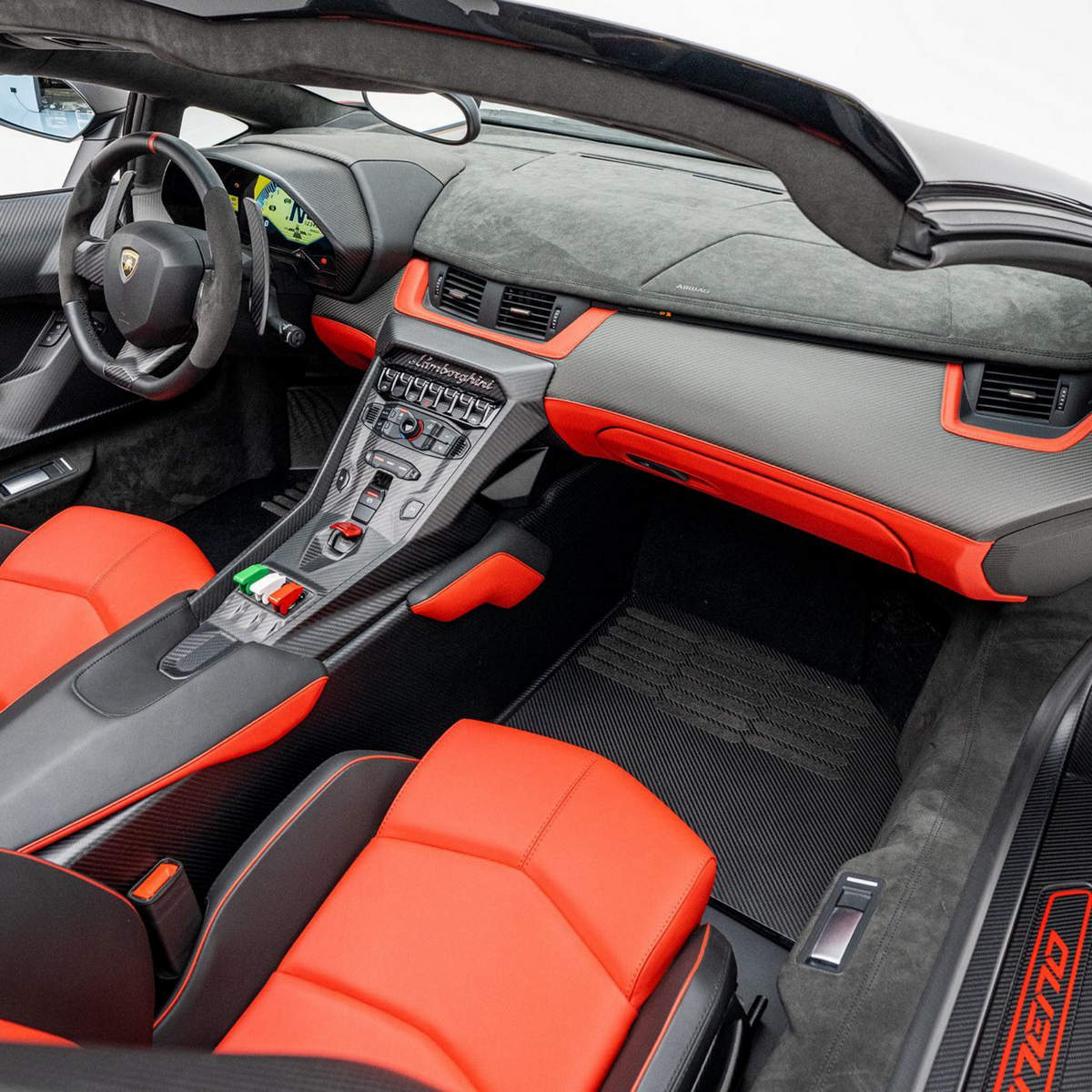
2026 Lamborghini Veneno Market Summary:
| Variant | Estimated Value | Availability |
|---|---|---|
| Veneno Coupe | $13,000,000 – $16,000,000 | Extremely rare (1 sale per 2-3 years) |
| Veneno Roadster | $6,000,000 – $14,000,000 | Occasional listings via brokers/auctions |
Lamborghini Veneno FAQs
A Lamborghini Veneno costs $6 million to $16 million in 2026, depending on variant and condition. The Veneno Coupe (only 3 exist) commands $13-16 million, while the Veneno Roadster (9 made) ranges from $6-14 million. The 2024 sale of a Roadster for $6 million and a Coupe for $13.9 million established current market benchmarks.
Only 13 Lamborghini Veneno were ever produced: 3 coupes (plus 1 prototype) and 9 roadsters . The three customer coupes were painted in Italian flag colors—green, white, and red. The prototype remains in Lamborghini’s museum. This extreme scarcity makes the Veneno rarer than the Ferrari LaFerrari (499 units), McLaren P1 (375), and even the Koenigsegg One:1 (6 units).
The Lamborghini Veneno reaches a top speed of 221 mph (355 km/h) and accelerates from 0-60 mph in just 2.8 seconds (coupe) or 2.9 seconds (roadster). Its 6.5-liter naturally aspirated V12 produces 750 horsepower, making it faster than most dedicated supercars despite weighing over 3,200 pounds.
Yes, the Lamborghini Veneno is fully street legal worldwide, including in the USA, Europe, and Asia . Unlike track-only hypercars, it meets crash safety, emissions, and lighting regulations. However, its extreme aerodynamics— massive rear diffuser, central fin, and sharp bodywork—make it impractical for daily driving. Ground clearance is minimal, and visibility is severely limited .
Lamborghini Veneno owners include billionaires, royalty, and celebrities, though most remain private. Notable confirmed owners include Kris Singh (USA, green coupe), Antoine Dominic (USA, white coupe), and various Middle Eastern collectors . The red coupe was initially delivered to a Chinese collector. Most owners maintain strict privacy, storing their Veneno in climate-controlled collections and driving fewer than 500 miles annually.