
Best SUVs 2026: Top Picks for Every Budget and Need
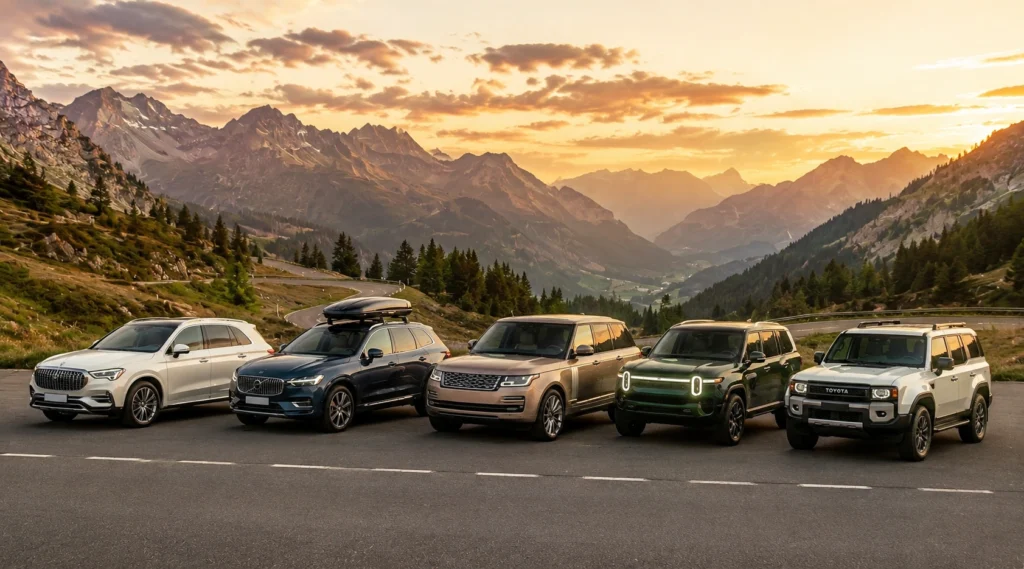
Shopping for one of the best SUVs on sale right now means wading through dozens of body styles, powertrains, and price points, and no single vehicle wins every category. A Chevrolet Trax buyer and a Cadillac Escalade buyer are solving completely different problems, even though both drive home in an best SUVs. This guide breaks the market into the categories that actually matter — compact, midsize, three-row, luxury, hybrid, electric, and more — so you can jump straight to the segment that fits your life.
Every recommendation here is grounded in current 2026 pricing, EPA fuel economy figures, and safety data from IIHS and NHTSA, cross-checked against expert reviews from outlets like Car and Driver, Edmunds, Kelley Blue Book, and U.S. News. Whether you’re replacing a sedan, hauling a hockey team, or just want something efficient for the commute, here’s where to start.
Quick Picks: Best SUVs at a Glance
| Best SUVs | Category | Starting Price | Powertrain | MPG/Range | Best For |
|---|---|---|---|---|---|
| Honda CR-V | Compact | $32,370 | 1.5L turbo I4 / hybrid | 30 mpg (37 hybrid) | All-around value |
| Toyota RAV4 | Compact | $33,350 | Hybrid-only, 2.5L I4 | Up to 43 mpg | Fuel economy |
| Kia Telluride | Midsize 3-row | $37,585 | 3.5L V6 / hybrid | 20–31 mpg | Growing families |
| Hyundai Palisade Hybrid | Midsize 3-row | ~$47,205 | 2.5L turbo hybrid | Up to 34 mpg | Quiet, upscale family hauler |
| Ford Expedition | Full-size | $65,495 | 3.5L twin-turbo V6 | 18 mpg | Max towing/cargo |
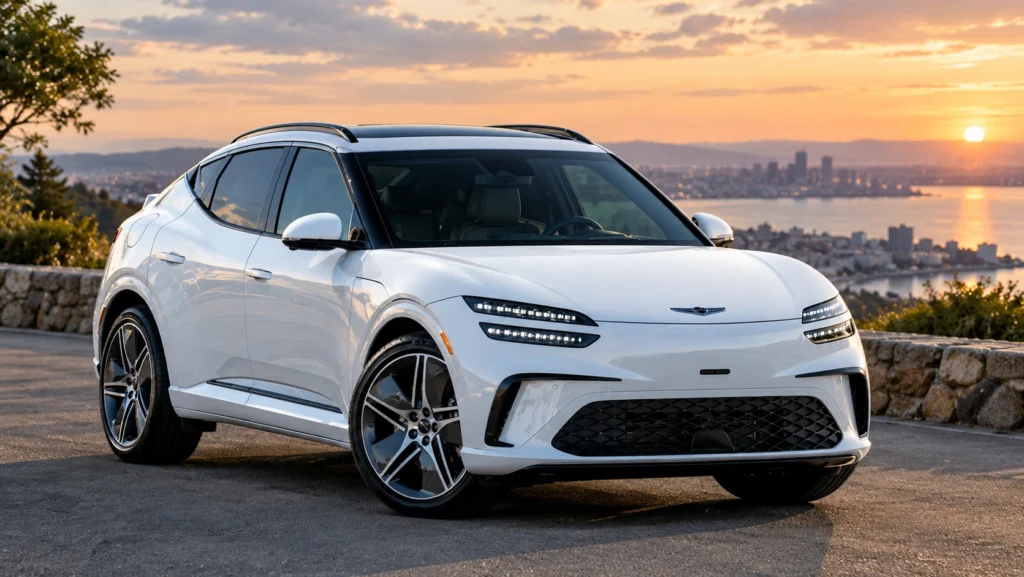
| Genesis GV80 | Luxury midsize | $59,695 | 2.5T / 3.5L V6 | 21 mpg | Luxury value |
| Hyundai Ioniq 5 | Electric | $36,600 | Single/dual motor | Up to 318 mi | EV value |
| Tesla Model Y | Electric | $39,990 | Single/dual motor | Up to 357 mi | Charging network |
| Jeep Wrangler | Off-road | $38,030 | 3.6L V6 / turbo-4 | 20 mpg | Trail capability |
| Porsche Cayenne GTS | Performance | $116,950 | 4.0L twin-turbo V8 | 17 mpg | Speed and handling |
Pricing reflects base MSRP with destination fees where available and varies by trim, region, and options.
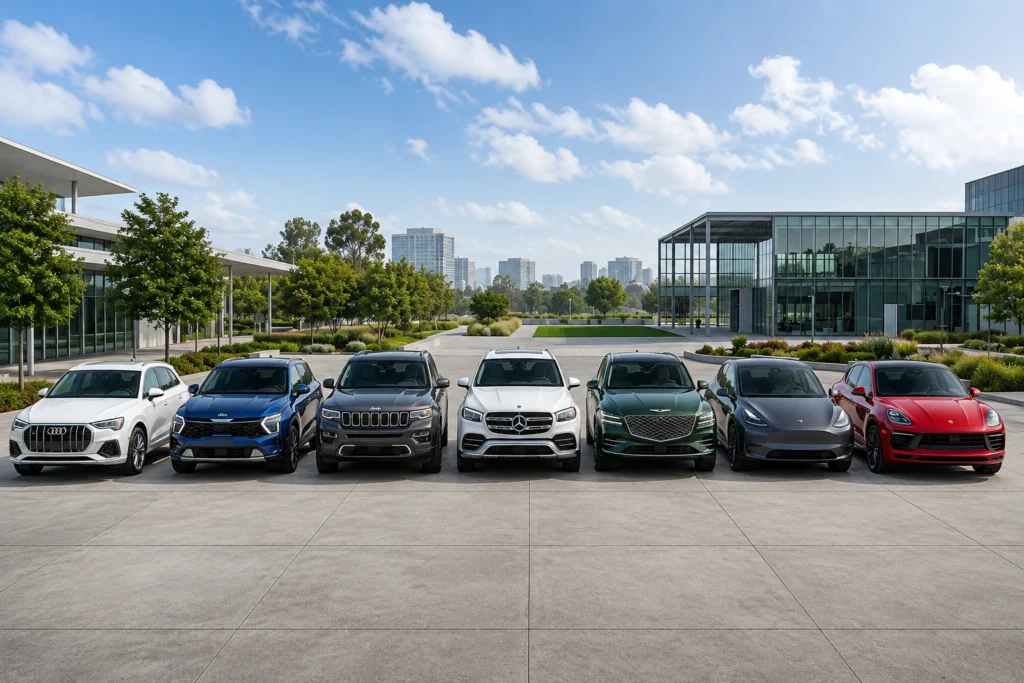
Best SUVs Overall
No single SUV is objectively “the best,” but a handful of 2026 models stand out for combining strong reviews, dependable ownership costs, and broad everyday usability.
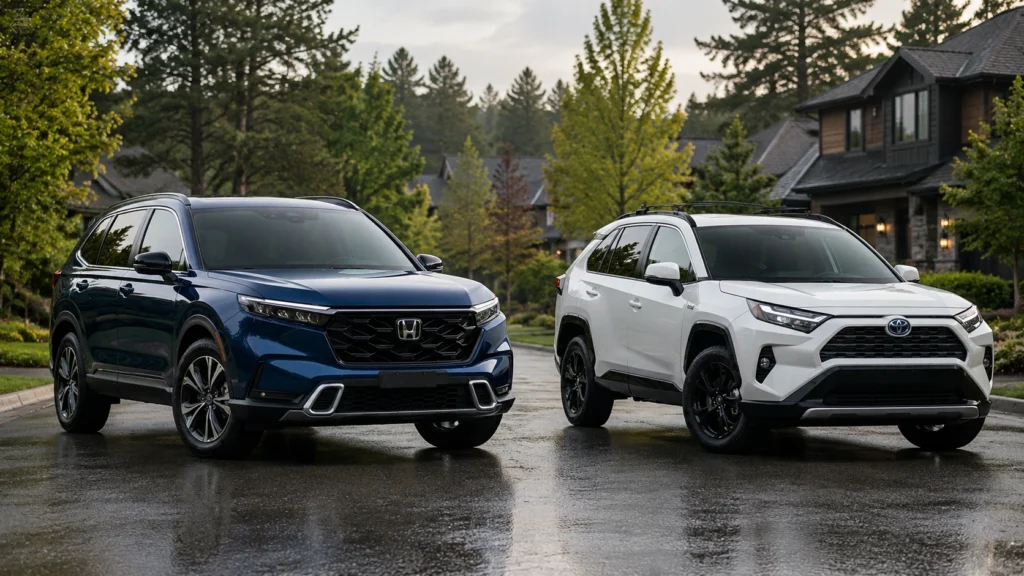
Honda CR-V remains the benchmark compact best SUVs, and Kelley Blue Book currently ranks it the top compact SUV in America with a 4.8 expert rating. It pairs a comfortable ride with genuinely useful cargo space and a hybrid option that returns 37 mpg combined. The trade-off is that it’s not particularly exciting to drive — this is an appliance, in the best sense of the word.
Toyota RAV4 went all-hybrid for 2026, and that single change makes it one of the most compelling compact best SUVs on sale. Every trim now returns up to 43 mpg combined in front-wheel-drive form, a huge advantage over gas-only rivals, without sacrificing the cargo space or reliability reputation that made the RAV4 America’s best-selling SUV for years.
Kia Telluride was fully redesigned for the 2027 model year and now offers a hybrid variant for the first time, alongside its familiar 291-horsepower V6. It leads its class in towing (4,500 pounds with the hybrid) and offers nearly 90 cubic feet of maximum cargo space, making it one of the most complete three-row family SUVs available.
Ford Expedition takes the full-size crown, thanks to a spacious, tech-forward cabin and a strong turbocharged V6. If your household needs to tow a boat or haul eight people with real third-row legroom, this is the one to cross-shop against the Chevrolet Suburban and Tahoe.
Genesis GV80 deserves attention from anyone who assumes German badges are mandatory for luxury. It starts thousands less than a comparably equipped BMW X5 or Mercedes-Benz GLE, undercuts both on projected five-year maintenance costs, and out-cargoes them both.
Best Compact SUVs
Compact best SUVs are the volume leaders of the market, and the 2026 field is unusually competitive. The Honda CR-V ($32,370) leads on all-around polish and cargo room, with a hybrid model available from $37,080 that returns 37 mpg combined. The Toyota RAV4 ($33,350 with destination) counters with class-leading efficiency now that every trim is a hybrid, plus 37.8 cubic feet of cargo space — full specs and build-and-price tools are available directly on Toyota’s official RAV4 page.
The redesigned Mazda CX-5 ($31,485) undercuts both on price while offering the nicest interior materials in the segment, though its 187-horsepower naturally aspirated engine and 26–28 mpg combined rating trail the hybrid competition — a CX-5 hybrid isn’t expected until the 2027 model year. The Kia Sportage ($30,085) and Hyundai Tucson (from roughly $31,050) round out a strong value tier, both offering long warranties and generous standard tech.
Best Midsize SUVs
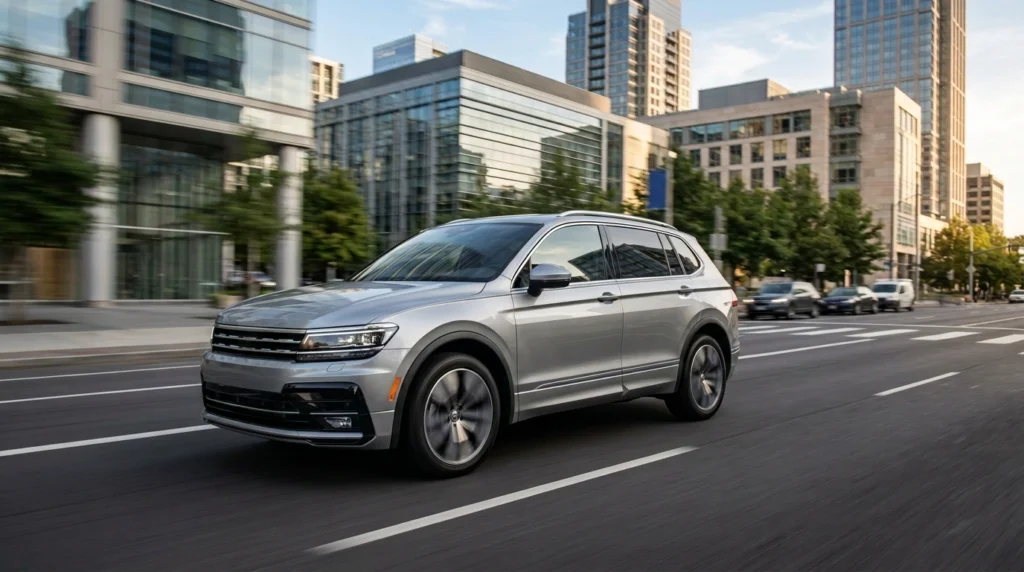
The midsize, two-row segment sits between practicality and outright family hauling. Buyers who don’t need a third row but want more room than a compact best SUVs offers should look at the Hyundai Santa Fe, a well-reviewed, feature-rich option that U.S. News highlights as one of the more complete midsize choices without a luxury price tag. For a sportier, more premium two-row experience, the BMW X3 and Genesis GV70 both earned IIHS Top Safety Pick+ honors for 2026 and pack genuine driving engagement into a right-sized package.
Best 3-Row SUVs
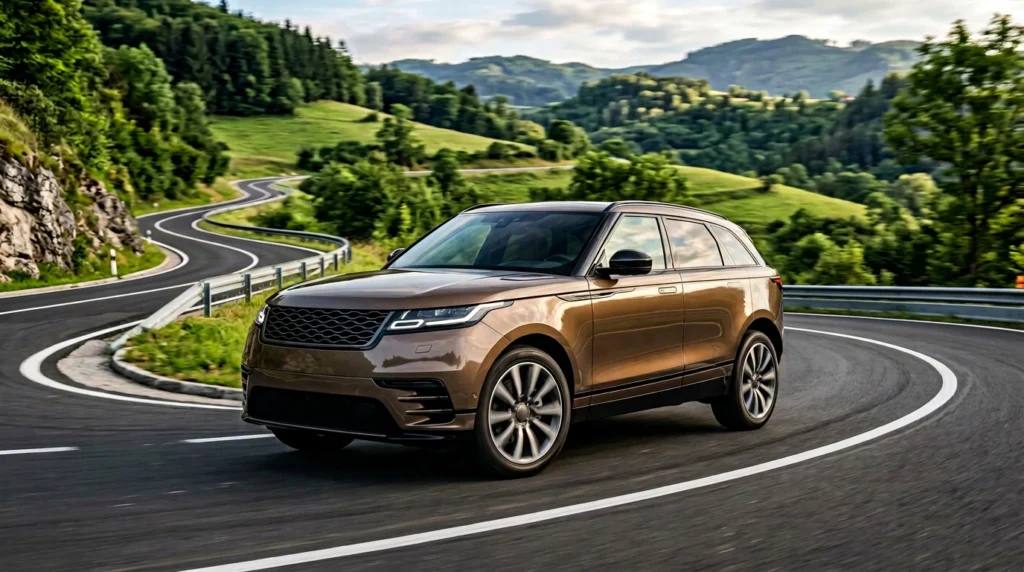
Three-row best SUVs saw a genuine leap forward in 2026, largely because hybrid powertrains finally arrived in the mainstream segment. The 2027 Kia Telluride and 2026 Hyundai Palisade share a platform and a 329-horsepower hybrid powertrain, but they feel different to drive: the Telluride is tuned firmer and tows more (4,500 pounds versus the Palisade’s slightly lower rating), while the Palisade prioritizes a quieter cabin and softer ride. Kia Telluride pricing runs from $37,585 up to $56,790 for the top X-Pro SX Prestige trim; the Palisade’s Calligraphy trim tops out around $56,560.
The Toyota Grand Highlander Hybrid remains the space champion of the segment, with roughly 97.5 cubic feet of maximum cargo capacity — more than either Korean rival — starting around $47,205. For families who want three rows without moving into luxury pricing, the Mitsubishi Outlander starts at just $29,995, the most affordable three-row best SUVs on the market, while the Kia Sorento Hybrid offers some of the best fuel economy in the class at 32–37 mpg city. Buyers who need true full-size capacity and towing should look at the Ford Expedition or Chevrolet Suburban, both of which offer class-leading interior room over their midsize competition.
Best Luxury SUVs
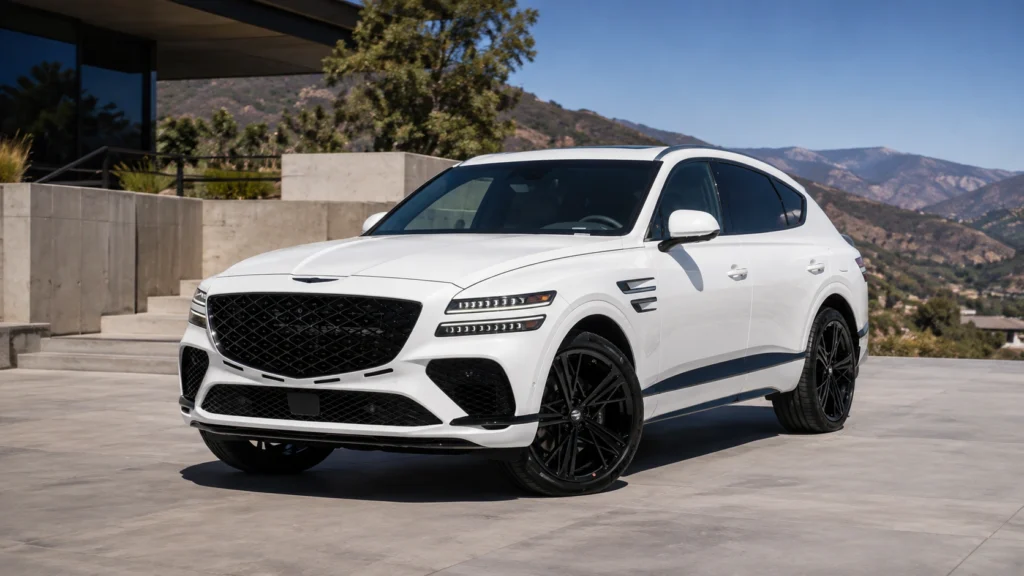
Luxury best SUVs shoppers now have more genuinely excellent choices than ever, and price no longer tracks perfectly with quality. The Genesis GV80 starts around $58,000–$59,695 and consistently beats the BMW X5 (from about $67,475) and Mercedes-Benz GLE (from roughly $62,000) on cargo space, standard features, and projected five-year maintenance costs, according to comparative data from Car and Driver and CarEdge. The Germans still hold the edge in brand cachet and dealer network size.
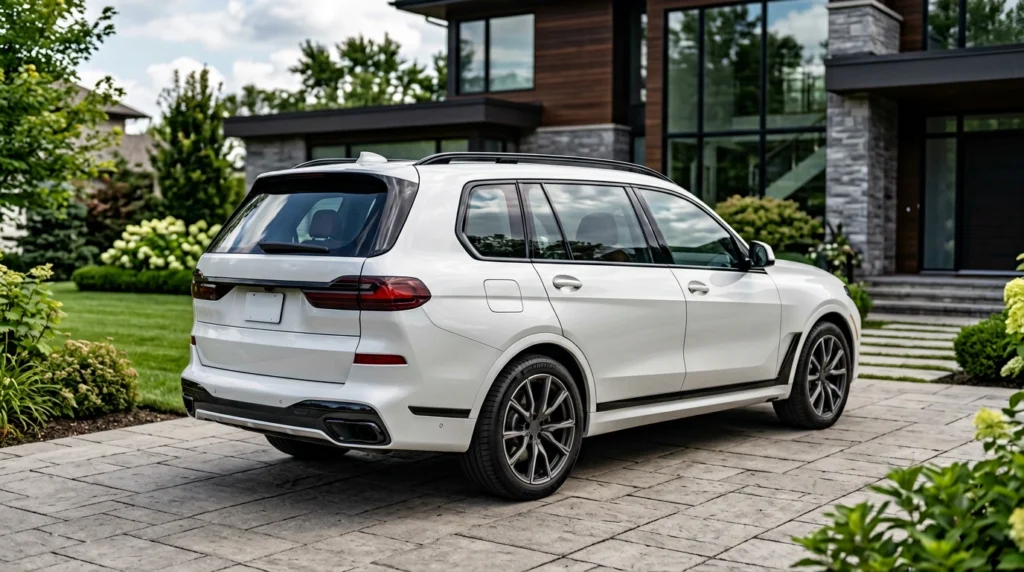
For a full-size flagship, the BMW X7 and Cadillac Escalade both offer three rows wrapped in genuine luxury materials. If a coupe-styled silhouette appeals more than a traditional boxy SUV, the BMW X6 trades some rear headroom for a sportier profile. Compact-luxury shoppers should look at the Mercedes-Benz GLC, an IIHS Top Safety Pick+ winner for 2026, while the Mercedes-Benz G-Class tops the luxury off-road field with body-on-frame ruggedness and a six-figure interior.
Best Affordable SUVs
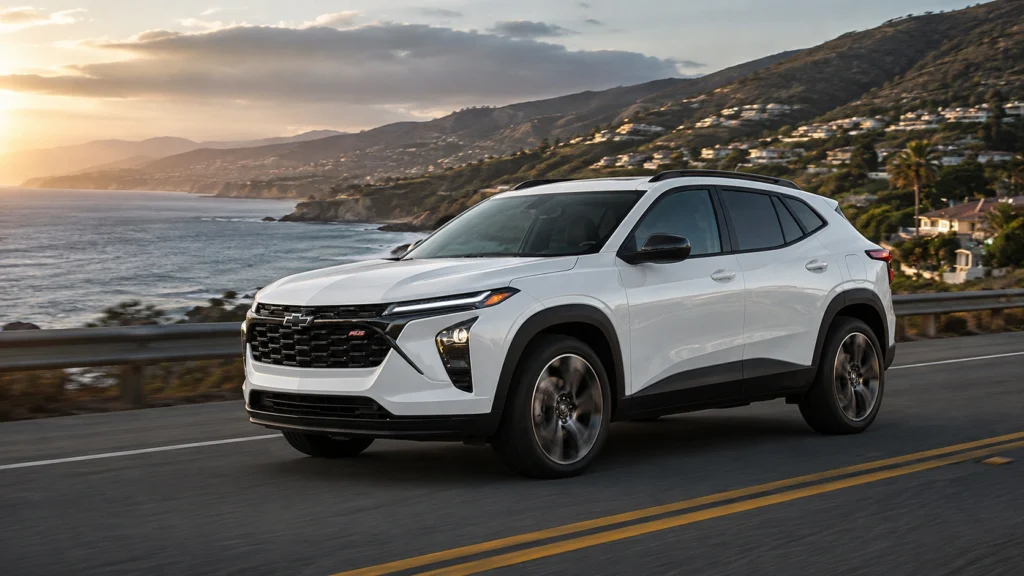
If your budget tops out well under $30,000, the subcompact segment has genuinely improved. The Hyundai Venue starts around $21,695–$22,815 and is currently the least expensive new best SUVs sold in America, though it skips all-wheel drive entirely. The Chevrolet Trax (from about $21,700–$24,521) offers more power from its turbocharged three-cylinder engine and class-competitive rear legroom.
The Kia Seltos (from $23,790–$25,285) costs a bit more but earns a notably higher expert rating — 4.7 out of 5 from Kelley Blue Book — thanks to a roomier cabin and more engaging driving dynamics. The Nissan Kicks and Toyota Corolla Cross, the latter with an available hybrid returning around 32 mpg, round out a segment where nearly every option now costs under $30,000 fully equipped.
Best Hybrid SUVs
Hybrid best SUVs split into two camps: traditional hybrids, which use a small battery and electric motor purely to boost efficiency, and plug-in hybrids (PHEVs), which add a larger battery for genuine electric-only driving before the gas engine kicks in. The Honda CR-V Hybrid ($37,080) leads the traditional-hybrid compact segment at 37 mpg combined. The Toyota RAV4, now hybrid across its entire lineup, reaches as high as 43 mpg combined in front-wheel-drive trims.
In the three-row space, the Hyundai Palisade Hybrid (up to 34 mpg) and Kia Telluride Hybrid (up to 31 mpg AWD) bring genuinely usable efficiency to family-size best SUVs for the first time, while the Toyota Grand Highlander Hybrid balances strong mpg with class-leading cargo room. Buyers wanting true electric-only commuting distance should look toward plug-in options like the Mazda CX-70 PHEV, which layers a larger battery on top of the same efficiency benefits.
Best Electric SUVs
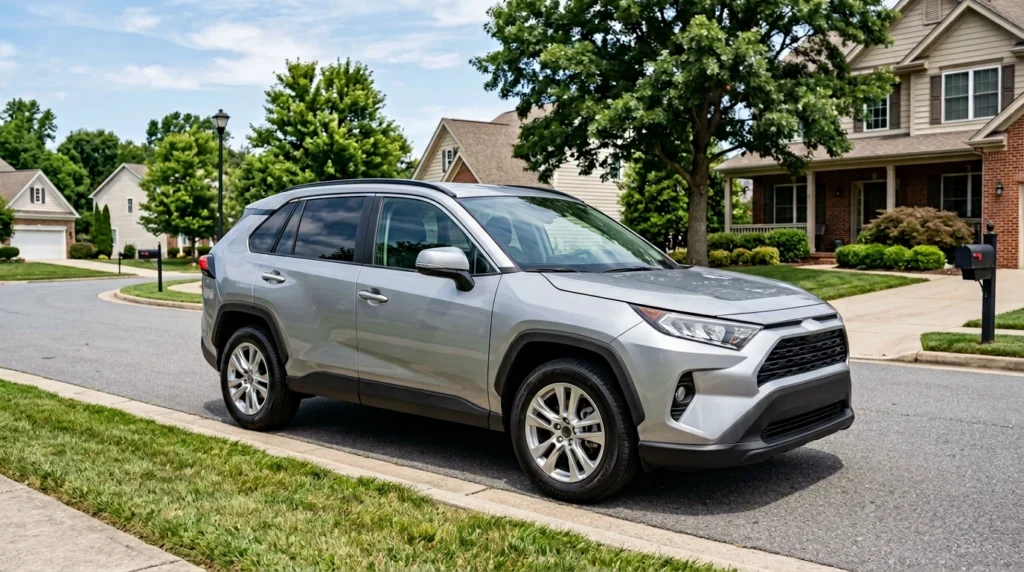
The Tesla Model Y remains the best-selling electric best SUVs in America: it pairs EPA-rated range up to the mid-300s (varies by trim and wheel size) with the largest, most reliable fast-charging network in the country, starting around $39,990–$41,630.
The Hyundai Ioniq 5 is the sharpest value play in the segment after a 2026 price cut brought it to roughly $36,600–$43,900. Its 800-volt architecture allows a 10–80% charge in about 18–20 minutes — faster than the Model Y — and it earned an IIHS Top Safety Pick+ award. The Kia EV6 shares that platform in a lower, sportier body, with a GT trim making 576 horsepower for around $62,400. Families needing three rows should consider the Kia EV9 (from about $56,495, roughly 309 miles of range) or the Rivian R1S (from about $75,500, up to 410 miles), the latter adding genuine off-road capability.
Best SUVs for Families
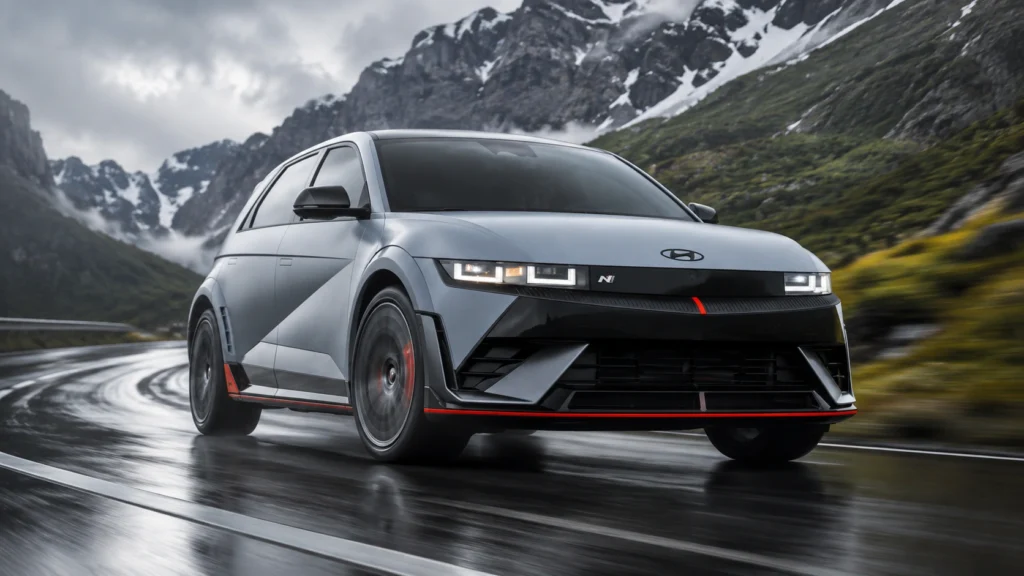
Family best SUVs shopping comes down to real-world usability more than spec-sheet bragging rights. The Kia Telluride and Hyundai Palisade both offer easy third-row access, strong IIHS crash-test results, and enough second-row space to fit child seats without a fight. The Toyota Grand Highlander wins on outright cargo room, useful for families hauling strollers, sports gear, and luggage simultaneously.
For households that don’t need a third row, the Honda CR-V and Subaru Forester — both IIHS Top Safety Pick+ winners for 2026 — offer excellent rear-seat space and driver-friendly cabins. Buyers cross-shopping full-size luxury should also consider the Cadillac Escalade, which pairs three-row practicality with a genuinely upscale cabin.
Best SUVs for Fuel Economy
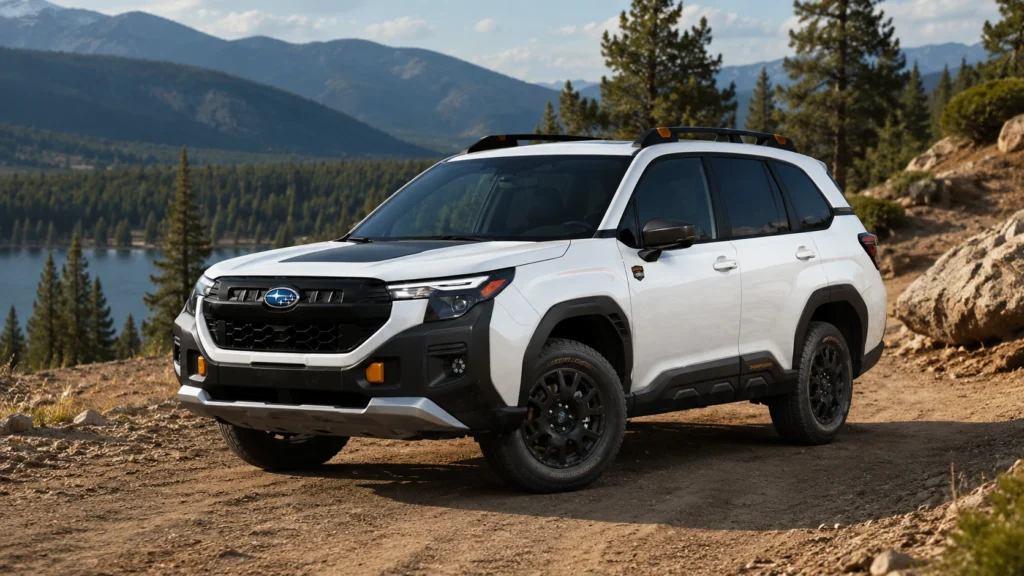
Among non-plug-in best SUVs, the Toyota RAV4 Hybrid currently leads the mainstream field at up to 43 mpg combined in front-wheel-drive form, with all-wheel-drive versions still returning around 41–42 mpg. The Honda CR-V Hybrid follows at 37 mpg combined. In the three-row segment, the Kia Sorento Hybrid posts some of the best numbers available, at 32–37 mpg city and 35–36 mpg highway depending on trim. Actual fuel economy will vary based on drivetrain (front- versus all-wheel drive), driving conditions, cargo load, and driving style — EPA estimates are a useful baseline for comparison, not a guarantee.
Best SUVs for Safety
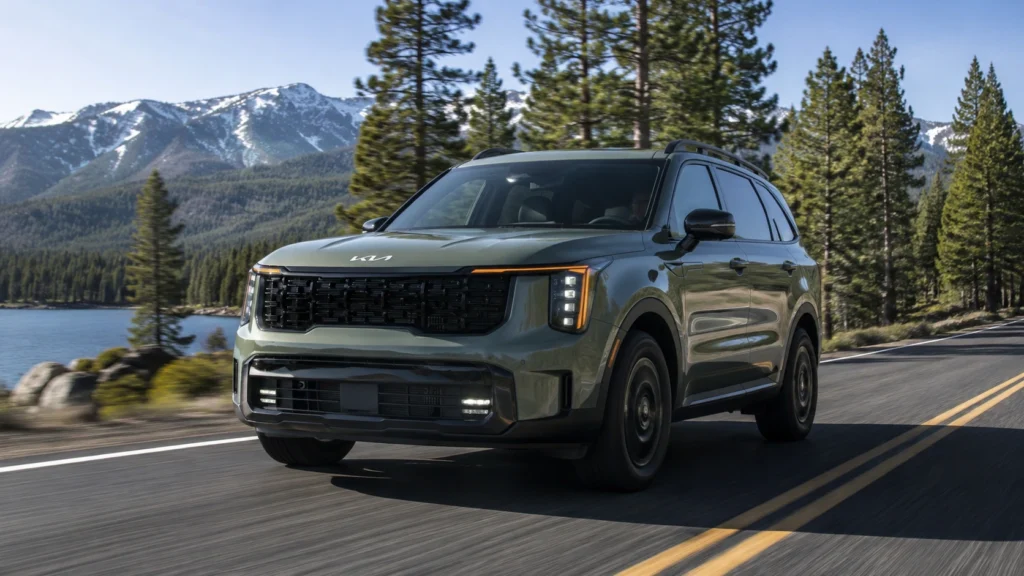
The Insurance Institute for Highway Safety’s 2026 awards raised the bar considerably, and best SUVs dominate the results: 35 of the 45 Top Safety Pick+ winners and 12 of the 18 Top Safety Pick winners this year are best SUVs. Small best SUVs earning the top Plus tier include the Honda HR-V, Hyundai Kona, Hyundai Tucson, Kia Sportage, Mazda CX-30, Mazda CX-5, Mazda CX-50, Subaru Forester, BMW X1, and Genesis GV60.
In the midsize class, the Hyundai Santa Fe, Hyundai Palisade, Kia Sorento, Kia EV9, Nissan Murano, Nissan Pathfinder, Subaru Ascent, and Honda Passport all earned Top Safety Pick+ recognition. Among midsize luxury models, the Audi Q5, BMW X3, Genesis GV70, Infiniti QX60, and Lexus NX made the top tier. Notably, the cheapest Top Safety Pick+ small SUV this year is the Hyundai Kona, starting around $25,500 — proof that strong crash protection no longer requires a luxury budget.
Best SUVs for Off-Road Driving
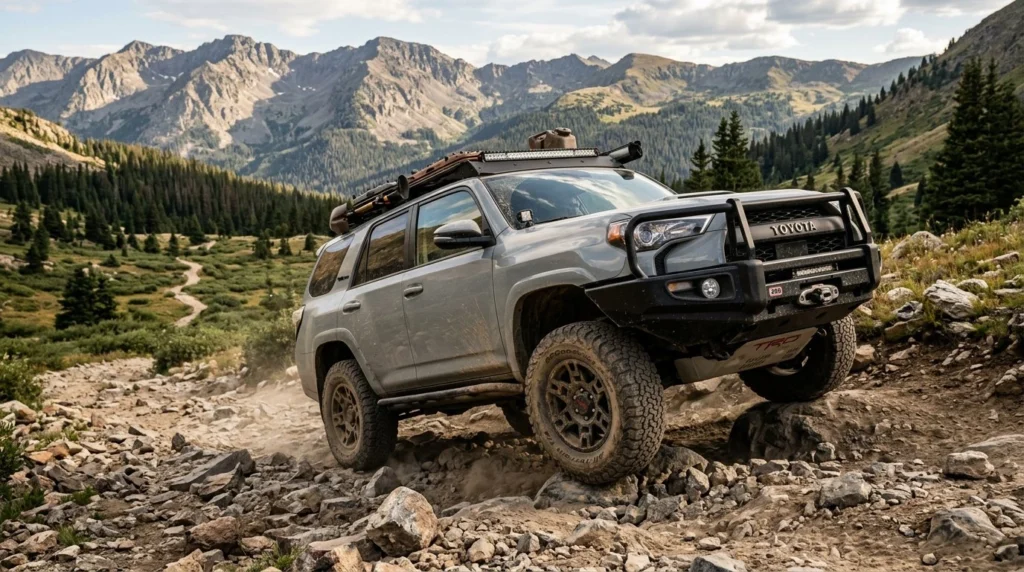
Genuine off-road capability requires more than all-wheel drive — look for a two-speed transfer case, locking differentials, meaningful ground clearance, and steep approach and departure angles. The Jeep Wrangler remains the benchmark for factory trail readiness, starting at $38,030 with standard four-wheel drive, up to 12.9 inches of ground clearance on Rubicon trims, and a 47.4-degree approach angle. The Toyota 4Runner was fully redesigned recently and now offers an i-Force Max hybrid powertrain making 326 horsepower, a 6,000-pound tow rating, and genuine reliability in remote-travel use, starting around $43,065.
For buyers who want off-road hardware wrapped in a luxury cabin, the Land Rover Defender spans a huge range, from roughly $56,000 for the compact 90 up past $120,000 for high-output V8 variants, all offering serious wading depth and terrain-response systems. The Mercedes-Benz G-Class, covered above, sits at the top of this category for buyers who want body-on-frame ruggedness without compromising on interior luxury.
Best Performance SUVs
Performance best SUVs have become genuinely quick — quicker, in some cases, than sports cars from a decade ago. The Porsche Cayenne GTS leads the segment for buyers who want both outright speed and everyday comfort: its twin-turbo V8 makes 493 horsepower, hits 60 mph in about 4.2 seconds, and still tows up to 7,700 pounds, all starting around $116,950. The BMW X5 M Competition counters with 617 horsepower and a 3.7-second 0-60 time for roughly $92,400, while the smaller BMW X3 M50 offers a taste of that character for less money.
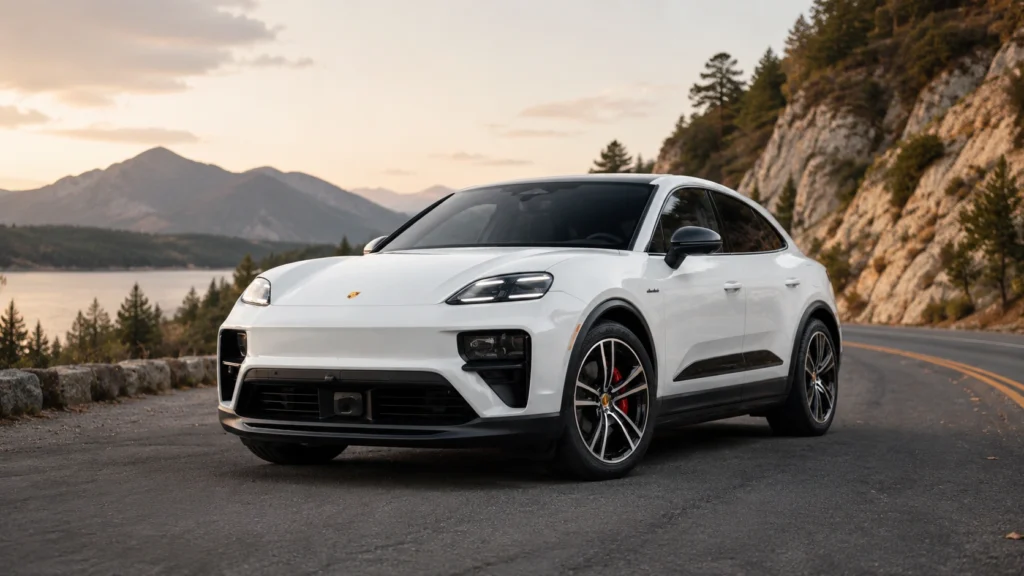
Electrification has also entered the performance conversation directly: the Porsche Macan Turbo Electric produces up to 630 horsepower and reaches 60 mph in roughly 3.1 seconds, proving that battery power and genuine driving engagement aren’t mutually exclusive anymore.
How to Choose the Best SUV for You
Start with budget, but think in terms of total ownership cost rather than sticker price alone — fuel or charging costs, insurance, and maintenance can separate two similarly priced best SUVs by thousands of dollars over five years. From there, work through size and seating: a compact two-row best SUVs suits most singles and couples, while families hauling more than five people regularly should prioritize genuine third-row usability, not just its presence on paper.
Powertrain matters more than it used to. If most of your driving is around town, a hybrid pays for its price premium in fuel savings within a few years. An EV makes sense if you can charge at home or work reliably; without that, public charging erodes much of the cost advantage. Finally, weigh safety ratings, cargo needs, and whether you actually need all-wheel drive or off-road hardware — most drivers never leave pavement, and paying for capability you won’t use is the most common overspend in best SUVs shopping.
SUV Buying Mistakes to Avoid
- Buying based only on appearance. A striking design doesn’t guarantee comfortable ergonomics or a reliable powertrain.
- Ignoring total ownership costs. Insurance, fuel or electricity, and projected maintenance can outweigh a lower purchase price.
- Choosing more vehicle than necessary. A three-row SUV that rarely carries more than four people wastes money and fuel.
- Ignoring cargo requirements. Test-fit strollers, luggage, or sports equipment before buying, not after.
- Not checking safety ratings. IIHS and NHTSA scores vary significantly even within the same segment.
- Focusing only on the monthly payment. A longer loan term can mask a worse overall deal.
- Ignoring fuel or charging costs. A hybrid or EV’s higher upfront price often pays for itself within a few years of typical driving.
- Skipping a test drive. Seat comfort, visibility, and infotainment usability vary enormously and are impossible to judge from a spec sheet alone.
Comparison Table
| Best SUVs | Category | Starting Price | Powertrain | MPG/Range | Seating | Key Strength |
|---|---|---|---|---|---|---|
| Honda CR-V | Compact | $32,370 | 1.5T / hybrid | 30–37 mpg | 5 | Overall value |
| Toyota RAV4 | Compact | $33,350 | Hybrid | Up to 43 mpg | 5 | Fuel economy |
| Kia Telluride | Midsize 3-row | $37,585 | V6 / hybrid | 20–31 mpg | 7–8 | Towing/cargo |
| Toyota Grand Highlander Hybrid | Midsize 3-row | ~$47,205 | Hybrid | ~34 mpg | 7–8 | Cargo space |
| Genesis GV80 | Luxury midsize | $59,695 | 2.5T / V6 | 21 mpg | 5–7 | Luxury value |
| BMW X5 | Luxury midsize | $67,475 | Turbo I6 / V8 | 21–24 mpg | 5–7 | Brand/resale |
| Hyundai Ioniq 5 | Electric | $36,600 | Electric | Up to 318 mi | 5 | Charging speed |
| Tesla Model Y | Electric | $39,990 | Electric | Up to 357 mi | 5 | Charging network |
| Jeep Wrangler | Off-road | $38,030 | V6 / turbo-4 | 20 mpg | 4–5 | Trail capability |
| Porsche Cayenne GTS | Performance | $116,950 | Twin-turbo V8 | 17 mpg | 5 | Speed and handling |
Pros and Cons
Honda CR-V
Pros
- Class-leading blend of comfort, efficiency, and cargo space
- Hybrid model returns 37 mpg combined
- Strong IIHS crash-test results
Cons
- Uninspired driving dynamics
- Hybrid powertrain limited to upper trims
Toyota RAV4
Pros
- Every 2026 trim is now a hybrid, with up to 43 mpg combined
- Strong reliability and resale-value reputation
- Roomy 37.8 cubic feet of cargo space
Cons
- CVT-like power delivery feels less engaging than rivals with conventional automatics
- Interior materials prioritize durability over outright luxury feel
Kia Telluride
Pros
- New hybrid powertrain leads its class in towing and fuel economy
- Nearly 90 cubic feet of maximum cargo space
- Strong IIHS safety results
Cons
- Top trims push past $56,000, closing in on luxury-brand pricing
- Base V6 engine’s fuel economy trails hybrid three-row rivals
Genesis GV80
Pros
- Undercuts BMW X5 and Mercedes-Benz GLE on price and projected maintenance costs
- Best-in-class cargo space in the luxury-midsize segment
- Generous standard features even on base trims
Cons
- Fewer dealerships than established German luxury brands
- Resale value still catching up to segment leaders in some markets
Conclusion
The best SUVs of 2026 prove that no single vehicle dominates every category — the right choice depends entirely on how you actually plan to use it. Commuters chasing efficiency should look hard at the Toyota RAV4 Hybrid or Honda CR-V Hybrid. Families need to weigh the Kia Telluride and Hyundai Palisade against the cargo-focused Toyota Grand Highlander. Luxury buyers willing to look past badge prestige will find real value in the Genesis GV80, while EV shoppers now have genuinely excellent options in the Tesla Model Y and Hyundai Ioniq 5. Off-road enthusiasts and performance buyers, meanwhile, have more capable factory options than at any point in the segment’s history.
Before signing anything, match your shortlist against your actual needs: seating, cargo, typical commute distance, and whether you’ll ever leave pavement. Test-drive at least two or three finalists back-to-back, check current IIHS and NHTSA ratings for the exact trim you’re considering, and factor in total ownership costs, not just the number on the window sticker. Do that, and whichever best SUVs you choose from this list should serve you well for years to come.
The best SUVs reward buyers who shop with a clear list of needs, not just a badge. Match the category to your life, not the other way around. Do that, and the right SUV finds you.
Frequently Asked Questions (FAQs)
There’s no single answer for every buyer, but the Honda CR-V, Toyota RAV4, Kia Telluride, and Ford Expedition are class leaders in the compact, efficiency, three-row, and full-size categories, respectively.
A compact SUV like the Honda CR-V, Toyota RAV4, or Mazda CX-5 offers an easy-to-drive size, strong safety ratings, and manageable running costs.
The Kia Telluride and Hyundai Palisade both offer easy third-row access, strong crash-test results, and enough space for car seats and cargo.
The Genesis GV80 consistently undercuts the BMW X5 and Mercedes-Benz GLE on price while matching or beating them on cargo space and standard features, making it the strongest value play in the luxury-midsize segment.
The Hyundai Venue is currently the least expensive new SUV sold in the U.S., while the Kia Seltos offers a stronger overall experience for a modest price increase.
The Toyota RAV4 Hybrid leads the compact class at up to 43 mpg combined, while the Hyundai Palisade Hybrid and Kia Telluride Hybrid bring similar efficiency gains to the three-row segment for the first time.
The Tesla Model Y offers the strongest charging network and highest EPA range figures for most buyers, while the Hyundai Ioniq 5 is the sharper value pick after its 2026 price cut.
IIHS awarded Top Safety Pick+ status to more SUVs than any other body style in 2026, including the Honda HR-V, Hyundai Tucson, Kia Sportage, Subaru Forester, Hyundai Palisade, and BMW X3, among many others — so safety-conscious buyers have options across nearly every price point.