Chevrolet Camaro: The Ultimate 650-HP ZL1 Buying Guide
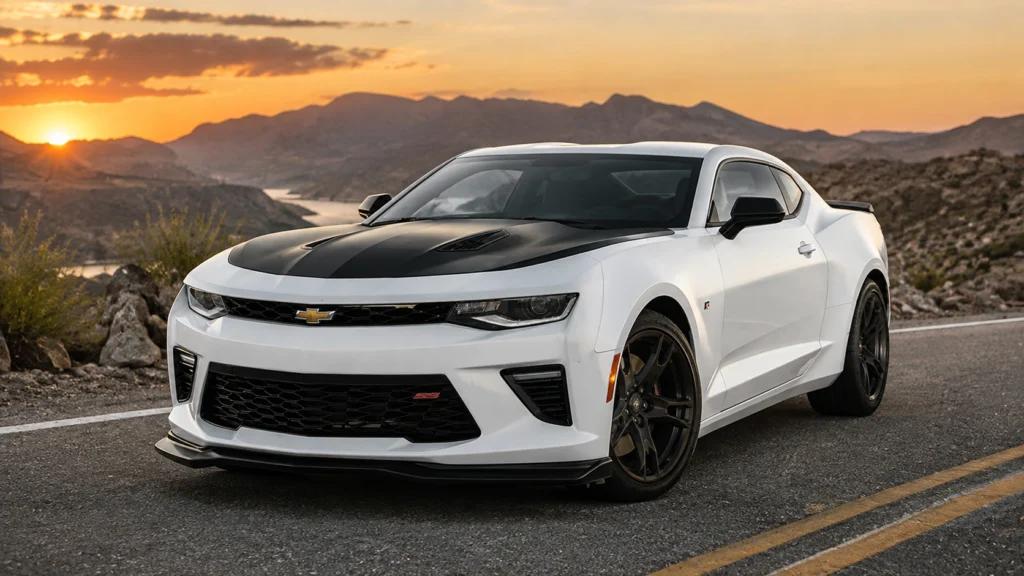
Few nameplates carry as much weight in American car culture as the Chevrolet Camaro. For nearly six decades, it’s been the car that Chevy dealers point to when someone asks what the brand can really do with a V8, a set of rear tires, and no pretense of being practical. It out-muscled economy-minded competitors, went toe-to-toe with the Ford Mustang for generations, and built a reputation on the drag strip, at autocross events, and in millions of daily commutes where drivers just wanted to feel something on the way to work.
The Camaro’s story isn’t a straight line, though. It’s been canceled once already, resurrected, redesigned from the ground up, and canceled again — this time after the 2024 model year, when Chevrolet ended production of the sixth-generation car. That makes right now a strange but interesting moment to talk about the Chevrolet Camaro: it’s not currently in production, but the used and low-mileage new market is deep, the final cars are some of the best Chevrolet Camaro ever built, and there’s genuine curiosity about whether the name comes back. This guide covers all of it — the history, the engines, the trims, the pricing, and how it stacks up against the competition it spent decades fighting.
Quick Specifications
| Specification | Chevrolet Camaro |
|---|---|
| Manufacturer | Chevrolet (General Motors) |
| Vehicle Type | Sports / Muscle Car |
| Drive Type | Rear-Wheel Drive |
| Body Styles | 2-Door Coupe, 2-Door Convertible |
| Engine Options (final lineup) | 3.6L V6, 6.2L V8, Supercharged 6.2L V8 |
| Horsepower Range | 335 hp – 650 hp |
| Most Powerful Factory Version | Camaro ZL1 (650 hp) |
| Transmissions | 6-speed manual, 10-speed automatic |
| Final Model Year | 2024 |
| Production Generation | Sixth Generation (2016–2024) |
| Current Production Status | Discontinued after MY2024 |
What Is Chevrolet Camaro?
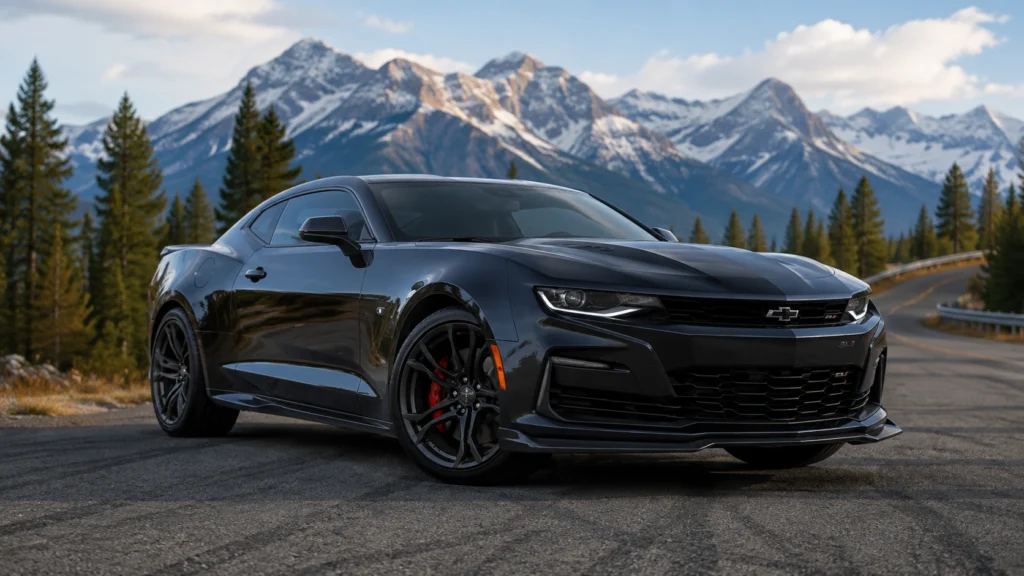
The Chevrolet Camaro is a rear-wheel-drive, two-door performance car that Chevrolet has built, on and off, since 1966. It sits at the sportier, more aggressive end of Chevy’s lineup — below the Corvette in outright performance, but above everything else the brand sells in terms of driving character.
Calling it a “muscle car” is accurate but incomplete. Traditional muscle cars were built around a simple formula: big engine, mid-size body, straight-line speed. The Chevrolet Camaro follows that formula with its available V8 engines, but the sixth-generation car in particular also handles like a proper sports car, thanks to a stiff, lightweight platform and a suspension tuned for actual cornering, not just drag-strip launches. That combination — muscle-car power with sports-car reflexes — is what separated the modern Chevrolet Camaro from its ancestors and from some of its rivals.
The Camaro’s traditional rival has always been the Ford Mustang, and for a stretch of the 2010s and early 2020s, the Dodge Challenger joined that fight as well, giving American buyers three distinct takes on the same idea. The Chevrolet Camaro angle was usually the sharpest handling of the three, paired with the most modern chassis engineering.
History and Background
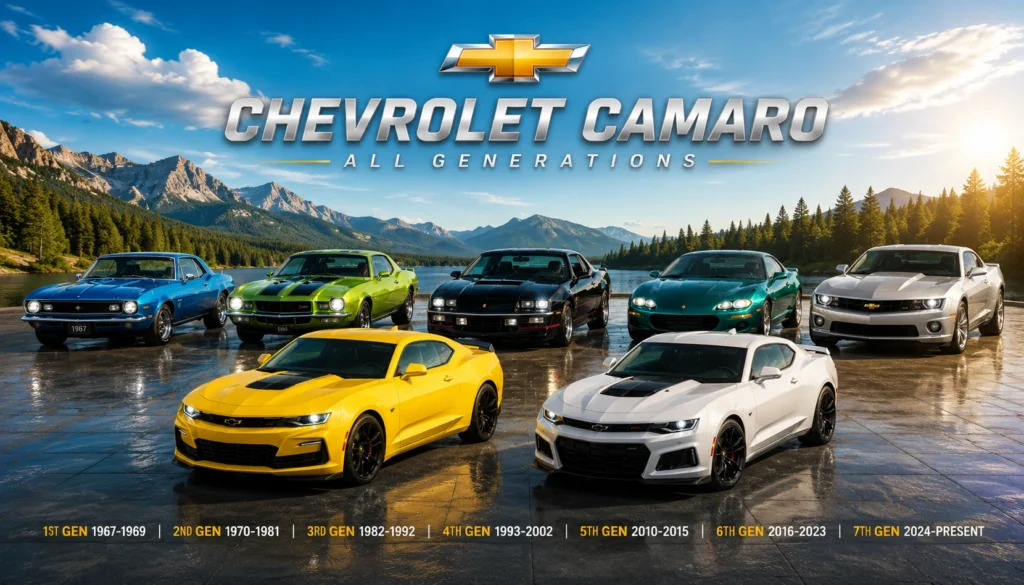
Understanding the Chevrolet Camaro means understanding that it’s really six different cars wearing one name, each shaped by the automotive climate of its era.
First Generation (1967–1969). Chevrolet built the original Camaro as a direct answer to the Ford Mustang, which had caught GM off guard with its 1964 launch. The first Chevrolet Camaro rode on a new rear-wheel-drive platform and offered everything from mild inline-six commuters to the fearsome Z/28 and COPO-optioned big-block cars. This generation set the visual template — long hood, short rear deck — that every Camaro since has referenced in some way.
Second Generation (1970–1981). This was the longest single generation, and it lived through the roughest era for performance cars in American history. Emissions regulations, insurance surcharges, and the 1973 oil crisis gutted horsepower figures across the industry, and the Camaro wasn’t spared. Chevrolet kept the car alive by leaning into style and handling rather than outright power, and the Z28 trim returned in 1977 to keep some performance credibility intact.
Third Generation (1982–1992). The third-gen Chevrolet Camaro modernized the formula with fuel injection, a hatchback-style rear window, and — with the IROC-Z package introduced in 1985 — some of the sharpest handling the nameplate had offered up to that point. It reflected the industry’s slow climb back toward real performance after the malaise era.
Fourth Generation (1993–2002). Built on GM’s F-body platform alongside the Pontiac Firebird, the fourth-gen Chevrolet Camaro brought back serious power with LT1 and later LS1 V8 engines borrowed from the Corvette. Despite strong performance, sales declined through the late 1990s as buyers shifted toward SUVs, and GM discontinued the Camaro after the 2002 model year. It sat out production entirely from 2003 through 2009.
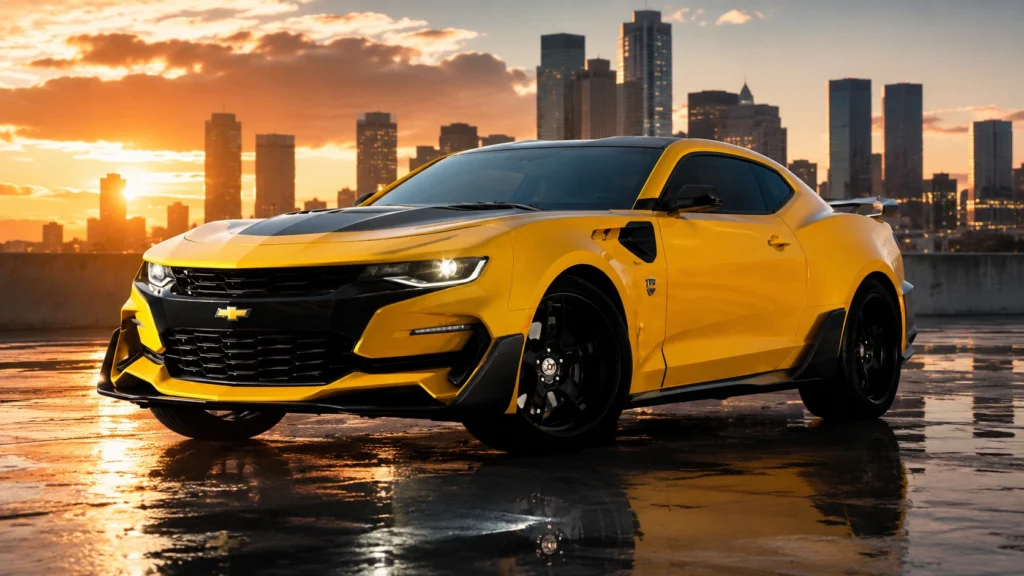
Fifth Generation (2010–2015). The Chevrolet Camaro comeback was helped enormously by pop culture — a 2006 concept car and its starring role as “Bumblebee” in the first Transformers film generated enormous anticipation. The production car that arrived for 2010 leaned hard into retro styling reminiscent of the 1969 original, riding on GM’s Zeta platform (shared with the Pontiac G8 and Holden Commodore). It was heavier than ideal, but it revived the nameplate and proved there was still demand for a Chevy pony car.
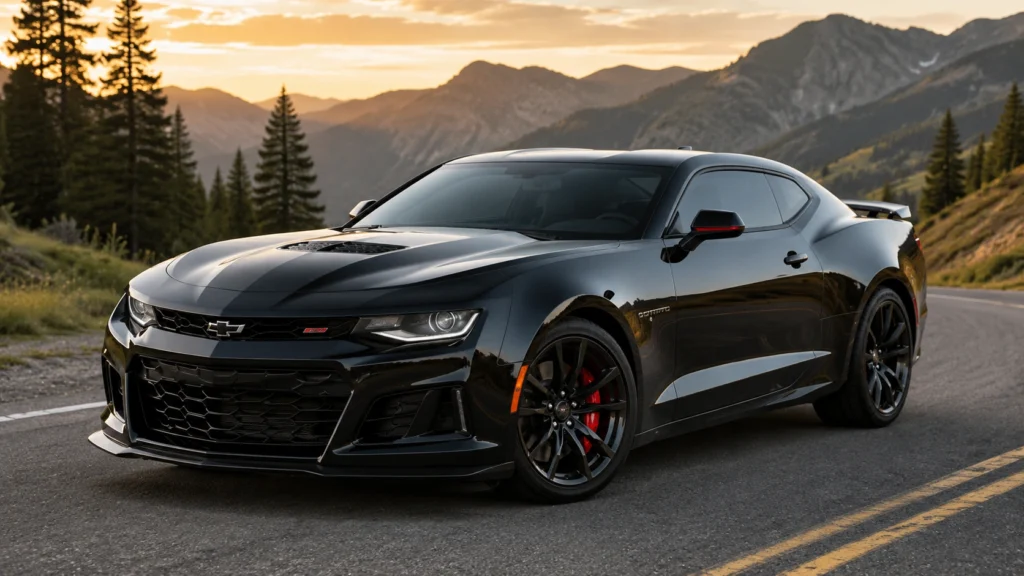
Sixth Generation (2016–2023). This is the version most people picture when they hear “Camaro” today. Built on GM’s Alpha platform (also used by the Cadillac ATS and CTS), the sixth-gen car shed hundreds of pounds compared to its predecessor and gained a genuinely sophisticated chassis. It launched with a turbocharged four-cylinder as an available engine — a first for the nameplate — alongside a V6 and multiple V8 options, topped by the 650-horsepower ZL1. A 2019 refresh updated the styling, and the turbo four-cylinder was dropped entirely for the car’s final year.
2024: The Final Model Year. Chevrolet ended sixth-generation Camaro production in January 2024 at the Lansing Grand River Assembly plant, which shifted over to electric vehicle production afterward. For its send-off, the 2024 Chevrolet Camaro dropped the base four-cylinder engine and the entry-level 1LS trim, simplified the lineup to seven trims built around V6 and V8 power, and offered special Collector’s Edition packages across several trim levels. Chevrolet has been open that the Camaro name may return in some form down the road, but as of this writing, no next-generation Camaro has been confirmed, and speculation about an electric or four-door successor should be treated as exactly that — speculation, not a confirmed product.
Design and Exterior
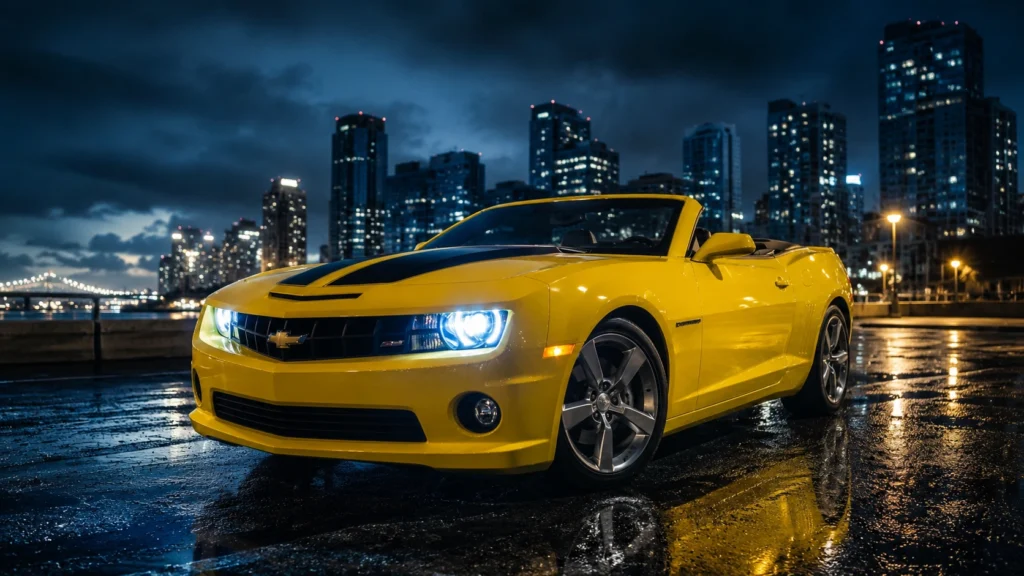
The sixth-generation Chevrolet Camaro design walks a line between heritage cues and genuinely functional performance engineering, and it’s worth separating the two.
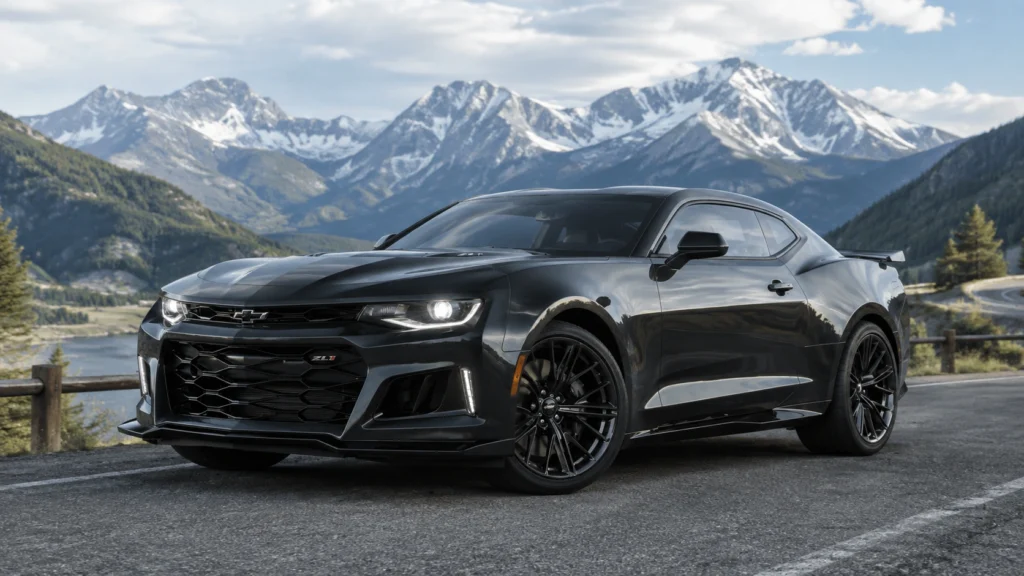
Front end. The grille, headlight shape, and hood bulge all reference the original 1967-1969 cars, but the details vary sharply by trim. Base V6 models get a cleaner, less aggressive fascia, while SS and ZL1 models add larger lower intakes, functional brake cooling ducts, and — on the ZL1 — a more pronounced splitter that actually generates front-end downforce at speed rather than existing purely for looks.
Body proportions. The long-hood, short-deck silhouette is a direct callback to the original pony car formula, but the sixth-gen Camaro is notably low and wide for its class. That stance helps handling by keeping the center of gravity down, though it comes with a real-world tradeoff covered in the next section.
Hood and fenders. SS and ZL1 trims add functional heat-extractor vents on the hood, which pull hot air away from the engine bay during hard driving rather than serving as decoration. The front fenders on higher trims flare noticeably to cover wider performance tires.
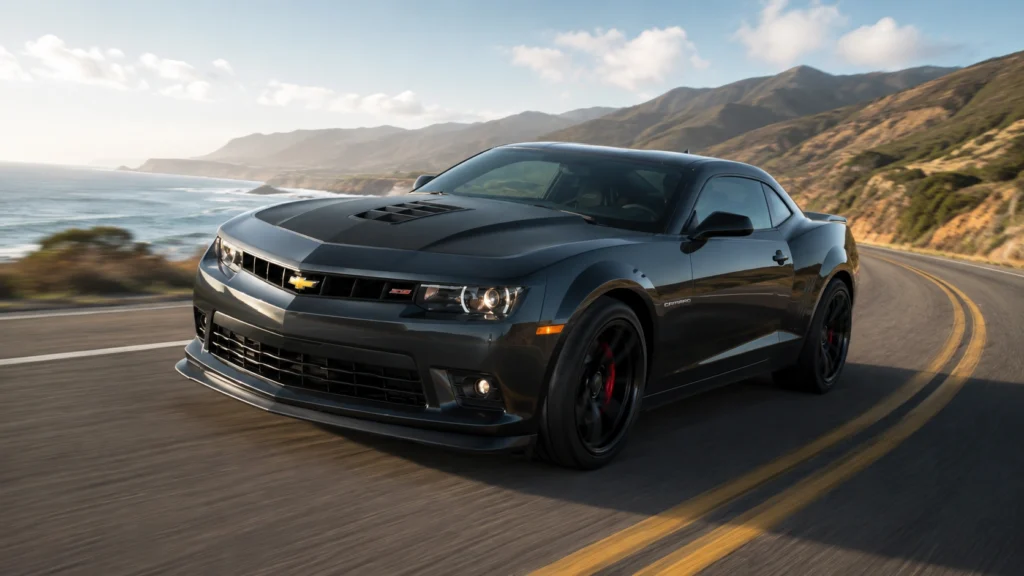
Rear styling. The tail end carries forward the Camaro’s traditional wraparound taillight theme, updated with LED lighting on later model years. A rear spoiler is standard on SS and ZL1 models, and the 1LE Track Performance Package adds a larger, more aggressive wing designed for actual downforce rather than styling.
SS vs. ZL1 visual differences. At a glance, the two performance flagships share a lot of sheet metal, but the ZL1 is easy to spot once you know what to look for: a more aggressive splitter, a functional hood vent, unique wheels, and — on cars equipped with the 1LE package — a larger rear wing and wider fender flares to cover the staggered tire setup.
Interior and Technology
Chevrolet built the Camaro’s cabin around the driver, and it shows — for better and for worse.
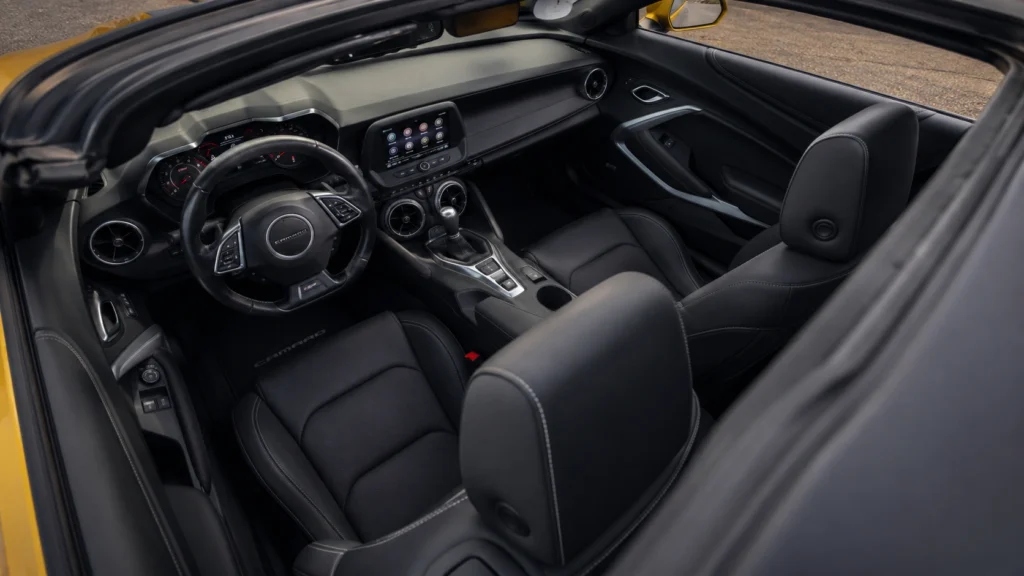
The seating position is low and cocooned, with the dashboard and center stack angled toward the driver. Chevrolet’s fighter-jet-inspired design puts the climate control dials inside the round air vents themselves, a distinctive touch that saves dashboard space but takes some getting used to.
Infotainment and instrumentation. Most trims use an 8-inch touchscreen running Chevrolet Infotainment 3, with Apple CarPlay and Android Auto support. Higher trims add a configurable digital gauge cluster and a head-up display that projects speed and shift-point information onto the windshield — genuinely useful on a car built for spirited driving.
Materials and comfort. Cloth seats are standard on lower trims, with available leather, heated and ventilated seating, and optional Recaro performance buckets on SS and ZL1 models. The Recaros hold you in place far better during hard cornering, but they’re firmer and less comfortable on long highway drives — a real tradeoff, not just a preference.
Visibility. This is the Camaro’s biggest interior weakness, and it’s worth being direct about it. The low roofline, thick pillars, and small rear window make outward visibility genuinely restricted, especially over the shoulder. Parking sensors and a rearview camera are standard equipment for a reason.
Rear seats and cargo. The back seat exists mostly on paper. It’s tight for adults on anything beyond a short trip, and headroom in the coupe is limited by the sloping roofline. Trunk space is modest — around 9 cubic feet in the coupe, less in the convertible — which rules the Camaro out as a primary family vehicle.
Who the interior suits. If you want a car built around the driver’s experience, the Chevrolet Camaro delivers. If you need to regularly carry adult passengers in the back seat, haul cargo, or prioritize outward visibility for daily commuting in traffic, a Mustang’s slightly roomier cabin or an entirely different type of vehicle will likely serve you better.
Engine and Performance
This is where the Chevrolet Camaro earns its reputation, and the sixth-generation lineup offered real variety before Chevrolet trimmed it down for the final year.
2.0-liter turbocharged four-cylinder (offered 2016–2023, dropped for 2024). This was the Camaro’s most fuel-conscious option for most of the sixth generation, producing 275 horsepower and 295 lb-ft of torque. A turbocharged engine uses exhaust gases to spin a turbine that forces extra air into the engine, letting a smaller engine produce power closer to what a larger, naturally aspirated engine would make — useful for efficiency, though it lacked the V8’s emotional appeal. Chevrolet discontinued this engine for the 2024 model year, making the V6 the new entry point.
3.6-liter V6. Standard on the 1LT, 2LT, and 3LT trims, this naturally aspirated V6 makes 335 horsepower and 284 lb-ft of torque. “Naturally aspirated” simply means the engine relies on regular atmospheric pressure to draw in air, rather than forced induction from a turbocharger or supercharger — generally a smoother, more predictable power delivery, if not the outright punch of boosted engines. It’s paired with a standard six-speed manual or optional 10-speed automatic, and it’s genuinely quick for a base engine.
6.2-liter V8 (LT1). Standard on the LT1, 1SS, and 2SS trims, this naturally aspirated small-block V8 produces 455 horsepower and 455 lb-ft of torque — figures that outmatch many older V8-powered muscle cars from just a decade or two prior. It shares its architecture with the engine used in the base Corvette Stingray of the same era, tuned differently for the Camaro’s front-engine layout.
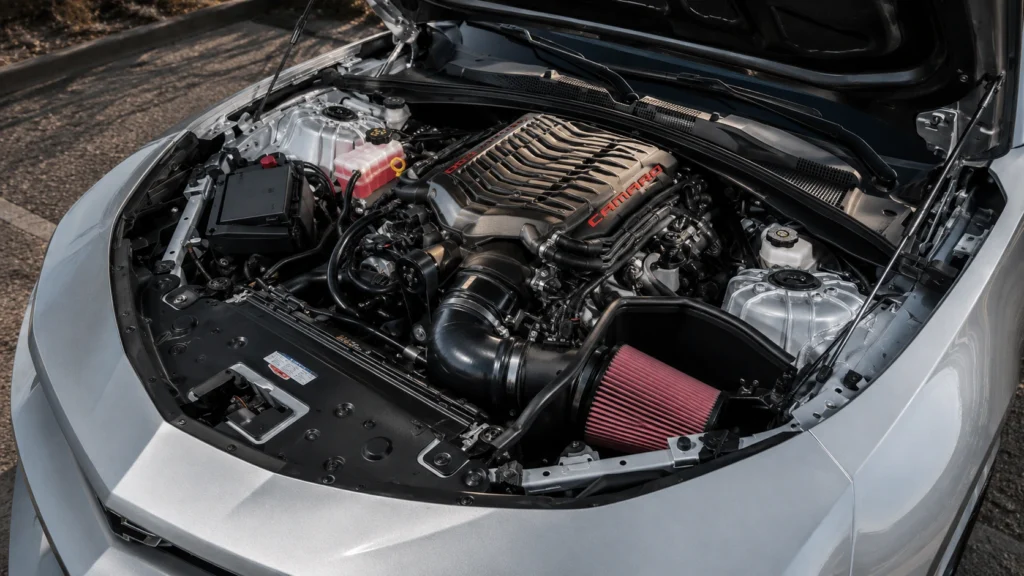
Supercharged 6.2-liter V8 (LT4) — ZL1 only. The Chevrolet Camaro halo engine bolts a supercharger onto the same basic small-block architecture, and the result is 650 horsepower and 650 lb-ft of torque. A supercharger, unlike a turbocharger, is driven directly by the engine’s crankshaft rather than exhaust gas, which typically means more immediate throttle response with less lag. This is one of the most powerful V8 engines ever offered in a mass-produced American car.
Transmissions and drive character. Every engine in the final Camaro lineup could be paired with a six-speed manual or a 10-speed automatic, and both are genuinely good — the manual for driver engagement, the automatic for outright acceleration numbers, since it shifts faster than most human drivers can with a clutch pedal.
Everyday usability vs. track performance. The V6 models are the most livable day to day — quieter, more fuel-efficient, and less demanding on tires and brakes. The V8 cars trade some of that comfort for genuine track capability, especially with the available 1LE Track Performance Package, which adds upgraded suspension, brakes, and cooling to SS and ZL1 models for drivers who actually plan to lap a road course rather than just look fast in a parking lot.
Specifications
Figures below reflect the final (2024) Chevrolet Camaro lineup. Earlier model years, particularly those with the discontinued turbo four-cylinder, differ — always confirm specs against the specific model year you’re researching.
| Model / Trim | Engine | Horsepower | Torque | Drive | Transmission |
|---|---|---|---|---|---|
| Camaro 1LT / 2LT / 3LT | 3.6L V6 | 335 hp | 284 lb-ft | RWD | 6-speed manual / 10-speed automatic |
| Camaro LT1 | 6.2L V8 | 455 hp | 455 lb-ft | RWD | 6-speed manual / 10-speed automatic |
| Camaro 1SS / 2SS | 6.2L V8 | 455 hp | 455 lb-ft | RWD | 6-speed manual / 10-speed automatic |
| Camaro ZL1 | Supercharged 6.2L V8 | 650 hp | 650 lb-ft | RWD | 6-speed manual / 10-speed automatic |
EPA-estimated fuel economy also varies significantly by engine and transmission — worth knowing before you fall in love with a specific horsepower number:
| Powertrain | City / Highway (approx.) |
|---|---|
| V6, manual | 16 / 26 mpg |
| V6, automatic | 18 / 29 mpg |
| V8 (LT1/SS), manual | 16 / 24 mpg |
| V8 (LT1/SS), automatic | 16 / 26 mpg |
| ZL1, manual | 14 / 20 mpg |
| ZL1, automatic | 13 / 21 mpg |
Top Speed and Acceleration
Performance numbers vary meaningfully depending on engine, transmission, tires, and even the road-testing conditions, so treat any single figure as representative rather than universal.
The V6 models are commonly tested in the mid-5-second range for 0-60 mph, which is genuinely quick for a base-engine daily driver, if unremarkable next to the V8 cars.
The LT1 and SS V8 models typically post 0-60 mph times around 4.0 seconds and quarter-mile runs in the high-12-second range, figures that would have made them flagship performance cars in almost any previous decade.
The ZL1 is in a different league. Commonly reported 0-60 times sit around 3.5 seconds, with quarter-mile runs in the 11.3 to 11.5-second range at speeds well over 120 mph. Top speed is typically cited around 198 mph, electronically limited by Chevrolet — though independent testing on prepped surfaces with upgraded tires has occasionally pushed past that figure. The ZL1 1LE, which adds track-focused suspension, aero, and cooling upgrades, is generally regarded as the quickest Chevrolet Camaro around a road course, even if its straight-line numbers are similar to the standard ZL1.
Keep in mind that published acceleration figures usually come from ideal conditions — warm tires, a prepped surface, and an experienced driver executing a proper launch. Real-world results, especially on street tires or in cold weather, will typically run a bit slower.
Chevrolet Camaro Price
Chevrolet Camaro pricing needs to be split into two very different conversations: what the car cost new, and what it costs today on the used market.
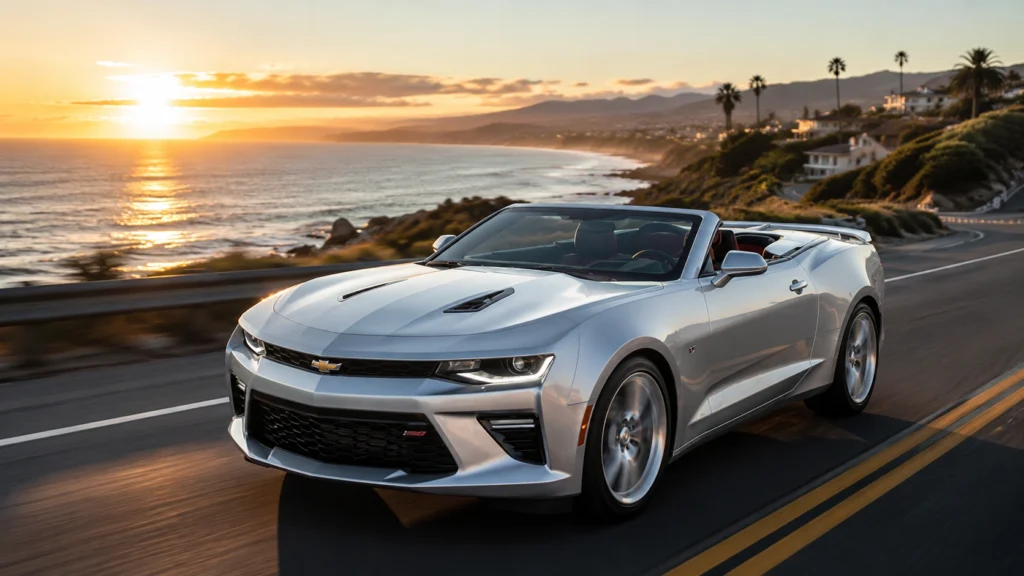
Original MSRP (2024 model year, including destination charge). Pricing started at $32,495 for the base 1LT coupe — a noticeable jump from prior years, largely because Chevrolet discontinued the more affordable four-cylinder engine and entry-level trim. From there, pricing climbed through the lineup: the performance-oriented 1SS started around $43,895, the more comfort-focused 2SS around $48,895, and the flagship ZL1 started in the low-to-mid $70,000s, with special Collector’s Edition ZL1 convertibles reaching close to $95,000 fully loaded. Convertible body styles generally added several thousand dollars over the equivalent coupe.
Used Camaro pricing. Because the Chevrolet Camaro is no longer in production, every Camaro on the market today — even a “new” leftover 2024 model still sitting on a dealer lot — is effectively a fixed-supply asset. Used prices vary enormously based on mileage, condition, trim, transmission choice, geographic location, and current demand, and they shift over time in ways a static article can’t reliably predict.
What’s worth understanding, rather than a specific number, is the pattern: base V6 models depreciate in a fairly ordinary way, similar to most performance coupes. Manual-transmission V8 cars, and the ZL1 in particular, tend to hold value better than average because collector interest is already building around the final years of a discontinued nameplate — a pattern the Chevrolet Camaro is likely to follow, similar to what happened with the Dodge Challenger after its own discontinuation in 2023.
If you’re shopping used, get a specific vehicle’s current asking price from a marketplace listing or dealer rather than relying on any published figure, since prices shift regularly.
Pros and Cons
Pros
- Strong performance across the entire lineup, not just the flagship trim
- Multiple genuine V8 options, including a supercharged flagship most rivals can’t match on paper
- Sharp, sports-car-like handling thanks to the Alpha platform’s low weight and stiff structure
- Distinctive, muscular styling that still reads as unmistakably “Camaro”
- Real track capability with the available 1LE package, not just straight-line speed
- Wide range of trims and price points within one nameplate
Cons
- Restricted outward visibility due to the low roofline and thick pillars
- Rear seat is cramped and best treated as occasional-use only
- Small trunk limits everyday practicality, especially in the convertible
- Firmer performance-oriented trims sacrifice ride comfort
- No longer in production, which limits factory-ordering flexibility and long-term parts sourcing compared to a currently sold model
- Base four-cylinder engine, once a value option, is gone from the final lineup, raising the effective entry price
Comparison with Competitors
For most of the sixth-generation Camaro’s life, it competed directly against the Ford Mustang and Dodge Challenger. That field has since narrowed — the Challenger ended production after the 2023 model year, while the Mustang remains in production today in its seventh generation.
| Category | Chevrolet Camaro (6th gen) | Ford Mustang (current) | Dodge Challenger (final, discontinued 2023) |
|---|---|---|---|
| Production status | Discontinued after 2024 | Currently in production | Discontinued after 2023 |
| Base engine | 3.6L V6, 335 hp | 2.3L Turbo I4, 315 hp | 3.6L V6, 305 hp |
| Flagship engine | Supercharged 6.2L V8, 650 hp | 5.0L V8, up to 500 hp | Supercharged 6.2L V8, up to 807 hp |
| Handling character | Sharpest of the three; sports-car-like | Balanced; improved significantly in latest generation | Heaviest and most straight-line focused |
| Rear-seat space | Tightest of the three | Slightly more usable | Roomiest by a clear margin |
| Outward visibility | Most restricted | Better than Camaro | Best of the three |
Camaro vs. Ford Mustang. The Mustang has historically offered better outward visibility and a roomier back seat, while the Chevrolet Camaro has typically had the edge in outright handling precision, thanks to its lower center of gravity and stiffer platform. Since the Mustang remains in production and the Chevrolet Camaro doesn’t, buyers wanting a factory-ordered, currently supported pony car really only have one option left standing.
Camaro vs. Dodge Challenger. These two couldn’t have been more different in philosophy. The Challenger was larger, heavier, and leaned into brute-force straight-line power — its supercharged Hellcat and Demon variants briefly held some of the highest horsepower figures ever offered in a factory car. The Chevrolet Camaro answered with a lighter, more agile platform that generally handled better through corners, even if it couldn’t always match the Challenger’s peak horsepower numbers. Neither car is being built anymore, which has turned this old rivalry into a shared conversation about collector value rather than showroom competition.
Neither Mustang nor Challenger “wins” outright — it depends on what a buyer actually wants. Someone prioritizing back-seat usability and daily practicality has always leaned toward the Mustang or Challenger; someone chasing the sharpest handling and most focused driving experience has generally leaned Camaro.
Who Should Buy It?
The Chevrolet Camaro makes the most sense for a specific type of buyer, and it’s worth being honest about who that is.
Performance enthusiasts and V8 loyalists will appreciate that the Chevrolet Camaro offered a naturally aspirated V8 all the way through its final year, at a time when many rivals were shifting toward turbocharged four-cylinders and hybrid power. Weekend drivers and muscle-car fans who want something visually and audibly dramatic for occasional use, rather than daily commuting, will find the Chevrolet Camaro rewarding. Track-day enthusiasts specifically benefit from the 1LE package, which was built with actual road-course lapping in mind rather than just straight-line bragging rights. And used-car buyers looking at a discontinued nameplate with genuine performance credentials may find real value, particularly in V6 models that haven’t yet attracted the collector attention building around the V8 cars.
On the other hand, some buyers should look elsewhere. Families needing rear-seat practicality will find the Camaro’s back seat frustrating beyond occasional use. Drivers who prioritize outward visibility, especially for city driving or frequent parallel parking, will notice the Camaro’s restricted sightlines immediately. Buyers who specifically want a currently produced, factory-orderable sports coupe will need to look at the Ford Mustang instead, since it remains in production. And drivers focused on fuel economy will find the Camaro’s V8 variants thirsty by modern standards, even if the base V6 is reasonably efficient.
Conclusion
The Chevrolet Camaro earned its place in American car culture the hard way — through six generations, one multi-year hiatus, and constant pressure from Ford and, for a while, Dodge. What made the sixth-generation car special wasn’t just the horsepower ceiling, though 650 horsepower in the ZL1 is nothing to dismiss. It was the combination of that power with a chassis genuinely capable of using it, something earlier Chevrolet Camaro generations couldn’t always claim.
The 2024 model year closed that chapter, and it did so with the lineup in strong shape: no weak base engine, a genuinely quick V6, two flavors of small-block V8, and a ZL1 that could hang with cars costing far more. Whether Chevrolet eventually revives the name is genuinely unknown, and any specific claims about a successor should be treated with skepticism until the company says so directly.
What isn’t unknown is the used market that’s left behind — a deep pool of Camaros spanning six very different eras of American performance, from cars affected by 1970s emissions rules to some of the most capable factory pony cars ever built. For buyers who want a rear-wheel-drive, V8-optional performance coupe with real handling credentials, a used Chevrolet Camaro remains one of the more compelling ways to get there, discontinued or not.
Frequently Asked Questions (FAQs)
Yes. Chevrolet ended production of the sixth-generation Camaro after the 2024 model year, with the final cars built in January 2024. No new-generation Camaro has been confirmed as of this writing, though Chevrolet has acknowledged the nameplate could return in some form.
It depends on the engine. The final lineup ranged from 335 horsepower in V6 models up to 455 horsepower in V8-powered LT1 and SS trims, topping out at 650 horsepower in the supercharged ZL1.
The SS uses a naturally aspirated 6.2-liter V8 making 455 horsepower, while the ZL1 uses a supercharged version of that same basic engine architecture producing 650 horsepower, along with more aggressive aerodynamics, wider tires, and track-oriented suspension hardware.
The final 2024 model year started around $32,495 for a base 1LT and climbed into the low-to-mid $70,000s for the ZL1, before options. Used pricing today varies widely by trim, mileage, condition, and location.
It varies by trim. Base V6 models top out well below 160 mph, V8 SS models are commonly cited in the mid-160s, and the ZL1 is generally listed around 198 mph, electronically limited by Chevrolet.
Chevrolet has pointed to declining sedan and coupe sales industry-wide, along with a shift in resources toward electric vehicle production at the Lansing Grand River plant, which built the Camaro. GM has left the door open for a future Camaro, though no specifics have been confirmed.
For many buyers, yes — particularly V8 models with a manual transmission, which have historically held value well among discontinued performance cars. As with any used performance vehicle, maintenance history and evidence of hard use (track days, aggressive modifications) matter more than the badge on the trunk.
Chevrolet hasn’t confirmed a next-generation Camaro. Various concepts and rumors — including speculation about an electric successor — have circulated, but none should be treated as confirmed until Chevrolet makes an official announcement.